Sidemen Valley: The Bali Rice-Paddy Country Tourists Skip
Two days in the quiet east-Bali valley under Mt Agung — paddy walks, slow homestays, and the island the rest of Bali used to be.
📍 Sidemen, Karangasem, Bali, Indonesia
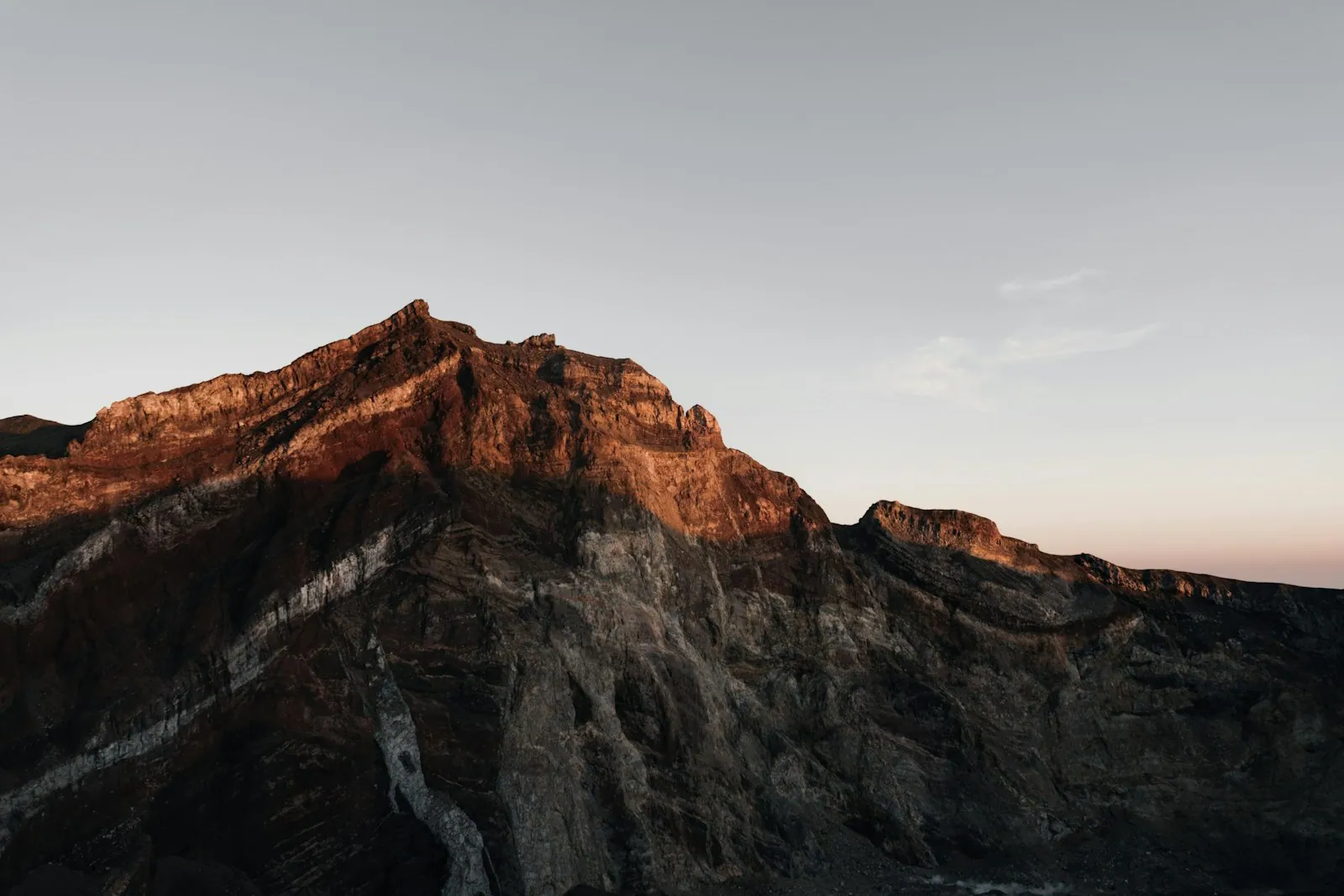
Sidemen Valley sits in the foothills of Mt Agung in eastern Bali, about an hour and a half north-east of Ubud. It is, by general agreement among the people who have been there, the closest thing the island has left to the Bali of forty years ago: terraced rice paddies cascading down the lower slopes of the volcano, a single quiet road threading through the valley, small wooden homestays tucked into the hillside, no traffic, no tour buses, and a pace of life that is genuinely the original Balinese pace, not a curated approximation. The reason most travellers skip Sidemen is also the reason you should go: it’s 90 minutes off the main Ubud-to-east-coast route, it requires you to commit two nights instead of a day trip, and there is essentially nothing to “do” here in the conventional Bali sense. There are no temples to queue at. There are no swing operators. There is no nightlife. There are paddies, mountains, a few weaving villages, and the cumulative effect of waking up to a view of Agung from your homestay deck two mornings in a row.
I had two nights. It was the right amount, and I’m planning four for the return trip.
The setup
Sidemen is reached on a narrow road that climbs north-east from Klungkung. Hire a driver from Ubud or the south coast — the road in is winding and there’s no public transport. Most accommodation is in small family-run homestays scattered along the valley road and on the hillsides above it; book one with a deck and a view of Agung. Cost: $30–80 per night for somewhere lovely with breakfast. The pricier end gets you a small pool. The cheaper end gets you a hot shower and an unbeatable view.
Day one: arrive, walk the paddies
Arrive in the late morning. Drop your bags at your homestay. Have lunch on the deck — most homestays will cook nasi campur to order with vegetables grown in their own garden. Sit. Look at the volcano. Don’t do anything else for the first two hours. The valley resets you.
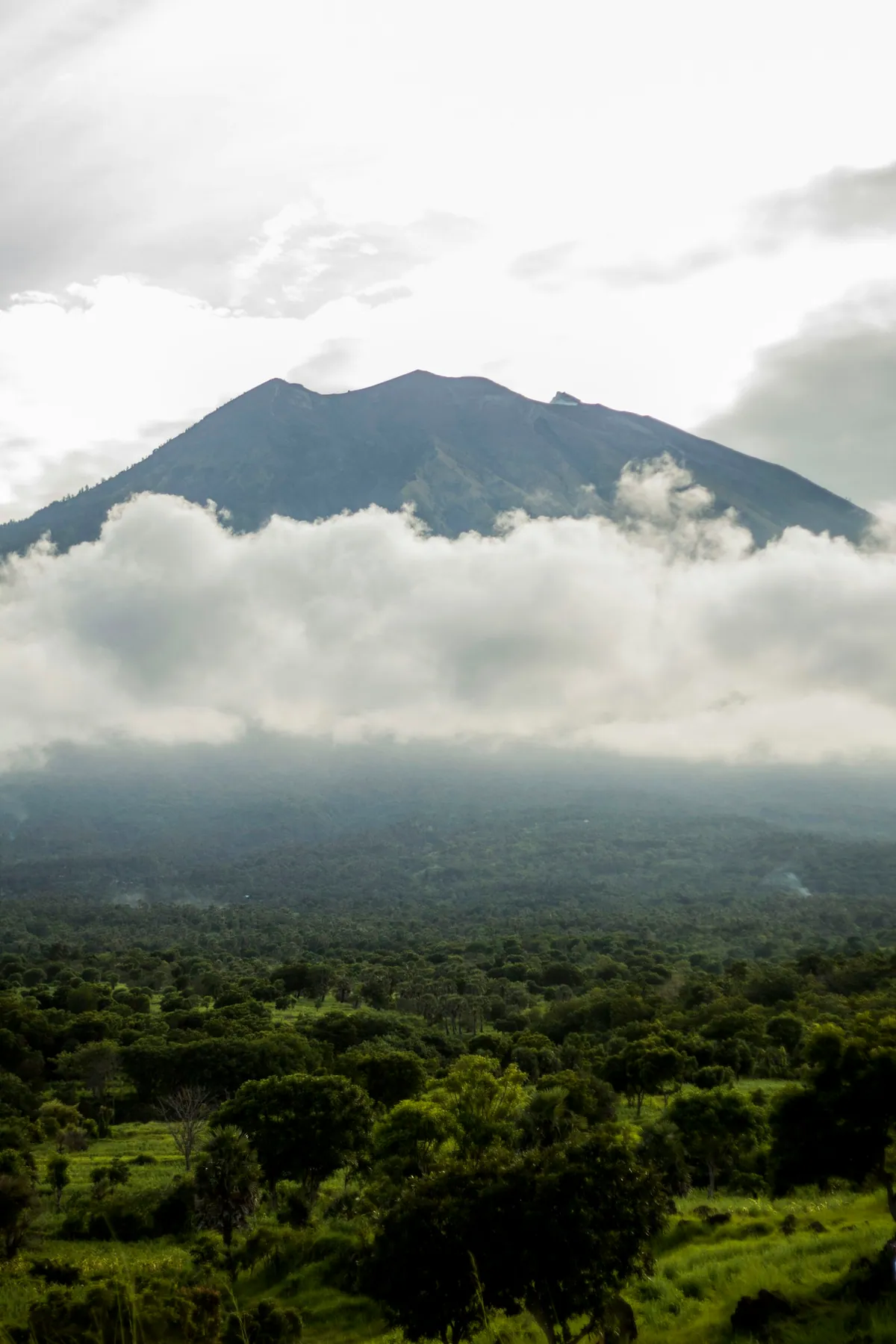
In the cool of the late afternoon, walk a paddy track. Most homestays can draw you a route on a hand-sketched map — a typical loop is two to three hours, takes you down through the rice fields, across the river at the bottom of the valley, up the other side, and back along a ridge. There is no signposting; you’re trusting the map and asking farmers in halting language for directions. (The Balinese, as ever, are patient and helpful.)
The walk is the experience. You pass farmers thigh-deep in flooded paddies setting out rice seedlings, you see ducks marshalled along irrigation channels by an old woman with a long bamboo pole, you stop to watch a kingfisher catch a frog in the shallows. By the time you’re back at the homestay deck for sunset, the day’s slowness will have soaked into you.
Day one evening: a quiet dinner
Dinner at the homestay (most cook a multi-dish Balinese set menu for around $7–10) or at one of the small valley restaurants — Joglo Sidemen, Bali Asli (a serious restaurant a few minutes south of Sidemen, founded by an Australian-trained chef Penelope Williams, fixed-menu, world-class), or any of the small warungs along the valley road. After dinner, sit on the deck. Look at the stars. Listen to the frogs.
Sidemen is one of the few places in southern Bali where you can still see the Milky Way. There is almost no light pollution. The dark is deep.
Day two: a weaving village, a swim, and the volcano
The Sidemen valley is famous for its weaving — particularly endek (a Balinese ikat weave) and songket (a brocade with gold or silver thread). There are a couple of small workshops in the valley where you can watch women working the looms and buy a length of cloth directly. Tenun Pelangi and Pelangi Traditional Weaving are both worth visiting. Costs vary; a length of fine endek runs around $30–60 depending on the size and the design complexity. The work is slow and beautiful. Watching it for ten minutes is enough to understand the price.

In the afternoon, swim in the river at the bottom of the valley. There’s a swimming hole at the base of a small waterfall about an hour’s walk from the village; ask your homestay owner to direct you. The water is the cold, clear river water you’d expect from a volcanic spring. Take a packed lunch. The walk back up takes the legs.
If you have the energy, drive 40 minutes east to Tirta Gangga — the famous water palace built by the Karangasem royal family in 1948, with its koi-fish pool and stepping-stone path across the water. Crowded by 11 a.m., empty in the late afternoon. Beautiful at any time.
Day three: the slow drive back
Whether you have a third day or you’re leaving in the morning, the drive back through the valley is the bonus. The light on the paddies in the early morning, with Agung in the rear-view mirror, is one of the great Bali images. Don’t rush.
If you’re driving on towards the east coast, Sidemen is a perfect bridge to Amed — another 90 minutes east. If you’re driving back to the south, take the inland road through Pura Besakih (the Mother Temple of Bali, on the southern slopes of Agung) for the third Indonesian-temple complex of the day.
How nice are people in Sidemen?
Village-level nice. Sidemen is small enough that everyone knows everyone, and the homestay owners, weavers, and farmers I met all had time. My homestay owner — a man called Wayan, of course — drove me to a doctor when I bruised my ankle on a paddy walk, refused payment, and brought me a cup of strong Balinese coffee on the deck the next morning with a small jar of his mother’s honey for me to take home. The weaver I bought a sash from threw in a small handwoven coaster as a gift “to remember.” The kid at the warung where I bought a bottle of water on the road into town ran after me with the change I’d told him to keep. Sidemen has not yet figured out how to be transactional with travellers, and I hope it never does.
If you go
• Two nights minimum. One is a day trip; you’ll get the views but not the rhythm. • Book a homestay with a view of Agung from the deck. This is the single most important decision of the trip. • Hire a driver from your last stop — public transport doesn’t reach Sidemen. • Bring cash for everything. Cards aren’t accepted at most homestays and warungs. • Walk the paddies. Don’t just look at them from the deck. • Pack mosquito repellent and a light rain jacket. Mountain weather is changeable.
Sidemen is the bit of Bali that the rest of the island has slowly stopped being. It is small, slow, ancient in pace, and the volcano is in the background of everything. Two days here will rebalance whatever rushing the south coast did to your nervous system. Then you go back to the rest of the island a slightly different traveller, and you carry a bit of the valley’s quietness with you for a long time.