Seville in Three Days: Plaza de España, the Alcázar and a Flamenco Night
Three days in Andalusia’s capital — the Mudejar palace, the Cathedral, the world’s widest plaza, and a tablao that will move you.
📍 Seville, Spain
Seville is the capital of Andalusia, the great Moorish-influenced southern region of Spain, and the most theatrical city in the country. It has the Alcázar (a Mudejar royal palace, still used by the Spanish royal family for state visits), the Cathedral (the largest Gothic cathedral in the world), the Giralda (the bell tower that was originally the minaret of the Almohad mosque), the Plaza de España (a half-kilometre-wide tile-covered Beaux-Arts complex from 1929 that is the most photographed square in Spain), and the long-standing tradition of flamenco — the dance and music form that grew out of Andalusian Romani culture and is, at its best, one of the most viscerally moving live arts on Earth. Three days in Seville will show you what southern Spain is at its most concentrated.
The setup
Fly into Seville (San Pablo airport, 15 minutes by airport bus into the centre) or take the AVE high-speed train from Madrid (2.5 hours). Stay in the historic centre — Santa Cruz, El Arenal, or just outside the old quarter near Plaza Nueva. Mid-range hotels run €100–180 a night. Avoid July and August — daytime temperatures regularly hit 40°C and the city is notably emptier of locals.
Walk where you can. The historic centre is small. Use the tram or buses for the further sights.
Day one: the Alcázar and the Cathedral
The Real Alcázar is the headline experience of Seville. Built originally as a Moorish fort in the 10th century and expanded by successive Christian kings (most importantly Pedro I in the 14th century, who hired Mudejar craftsmen — Muslim artisans working under Christian patronage — to build the great palatial wing), it is one of the most extraordinary palace complexes in Europe. The intricate tilework, plaster carving, coffered ceilings, and central courtyard (the Patio de las Doncellas) are the headlines. The gardens behind, with their fountains, palm groves, and pavilions, take longer than the palace itself.
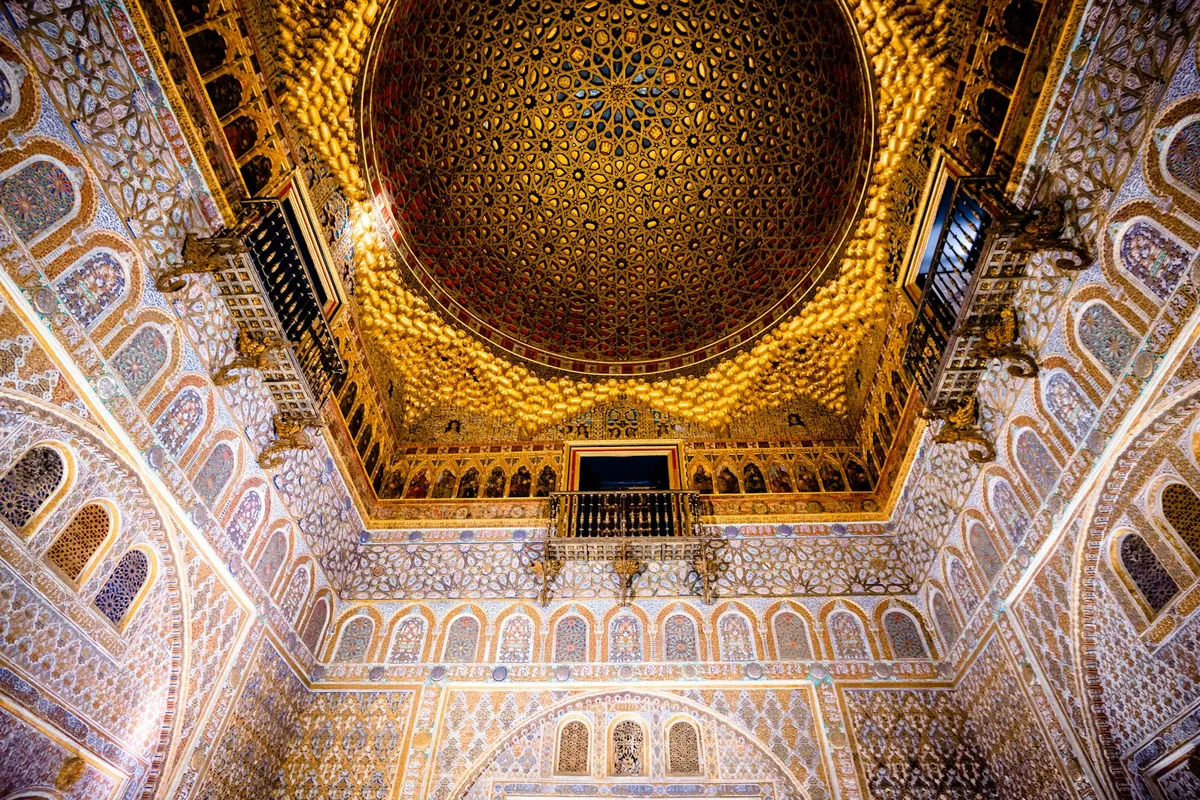
Buy your ticket online a few days in advance (about €15) to skip the queue. Allow three hours including the gardens. Game of Thrones fans will recognise the Alcázar gardens as the Water Gardens of Dorne in the show — they were filmed here in 2014.
Lunch nearby in Santa Cruz, the old Jewish quarter wrapped around the Alcázar walls. The streets here are narrow, white-washed, full of small bars with tile-covered exteriors and the kind of patios you peer into through wrought-iron gates. Eat at one of the small bars on Calle Mateos Gago or Calle Pimienta — Bodega Santa Cruz (the famous standing bar, beer in hand, a few tapas) is the local move.
In the afternoon, the Cathedral. Built between 1401 and 1506 on the site of the demolished Almohad mosque, Seville Cathedral is the largest Gothic church in the world by volume, with a 30-metre-high main nave, the tomb of Christopher Columbus (the disputed remains of the explorer, brought back from the Caribbean in 1899), and a soaring central reredos with 44 panels of gilded biblical scenes. Climb the Giralda — the bell tower at the north-east corner, 104 metres tall, a former minaret converted to a bell tower in the 16th century. The climb is by a series of 35 ramps (not stairs — the original Moorish design used ramps so the muezzin could ride a horse to the top). The view from the top of the city is the best you’ll get.
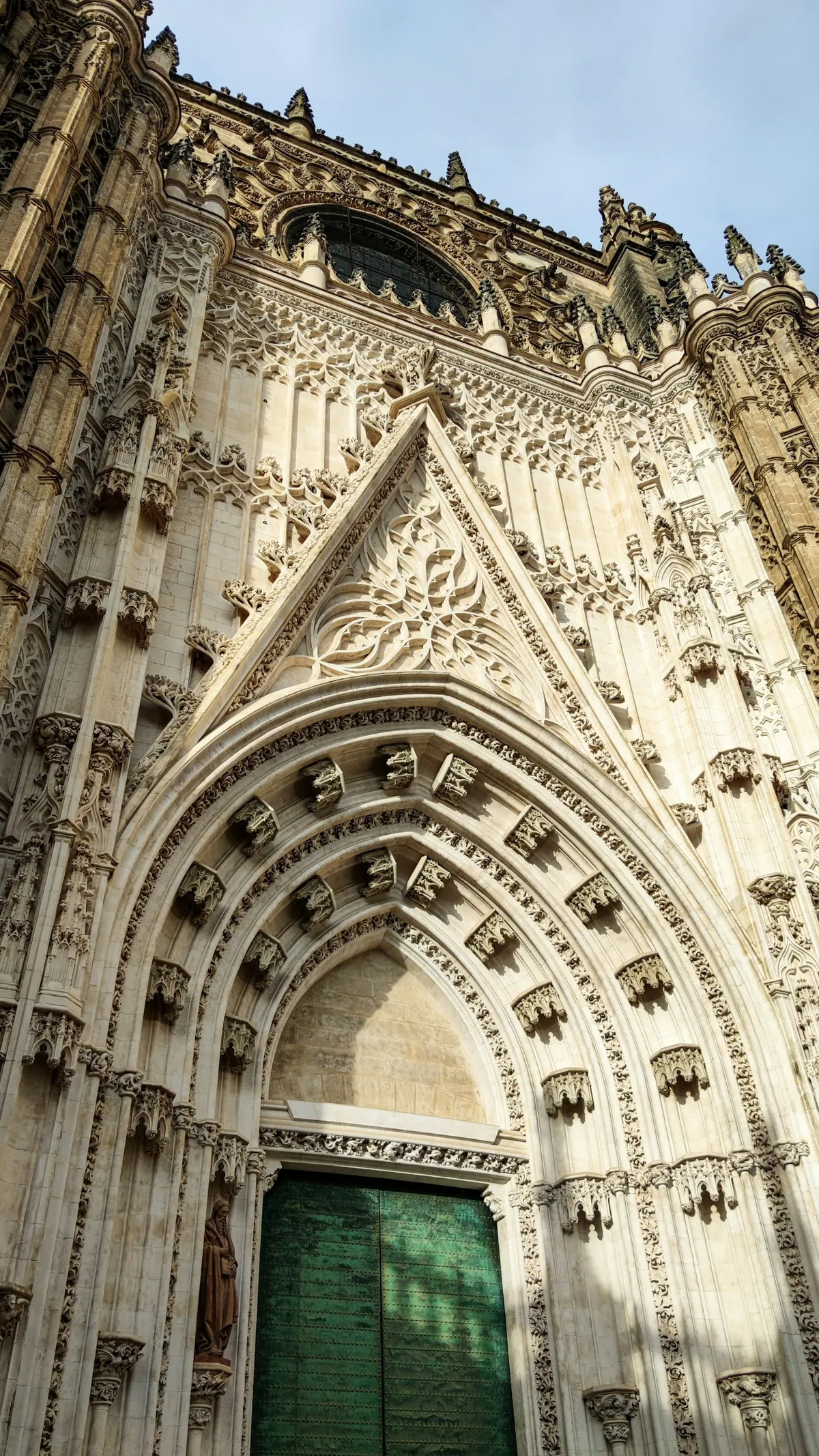
Allow two hours. For dinner, eat in El Arenal or Triana (across the river) and book a flamenco show.
Day one evening: a flamenco night
The flamenco show is non-negotiable. Seville is, with Cádiz and Jerez de la Frontera, one of the great cradles of flamenco, and the city has dozens of tablaos (intimate flamenco venues, usually in small rooms or basements) where you can see top-tier dancers, singers, and guitarists for €30–50 a show plus a drink.
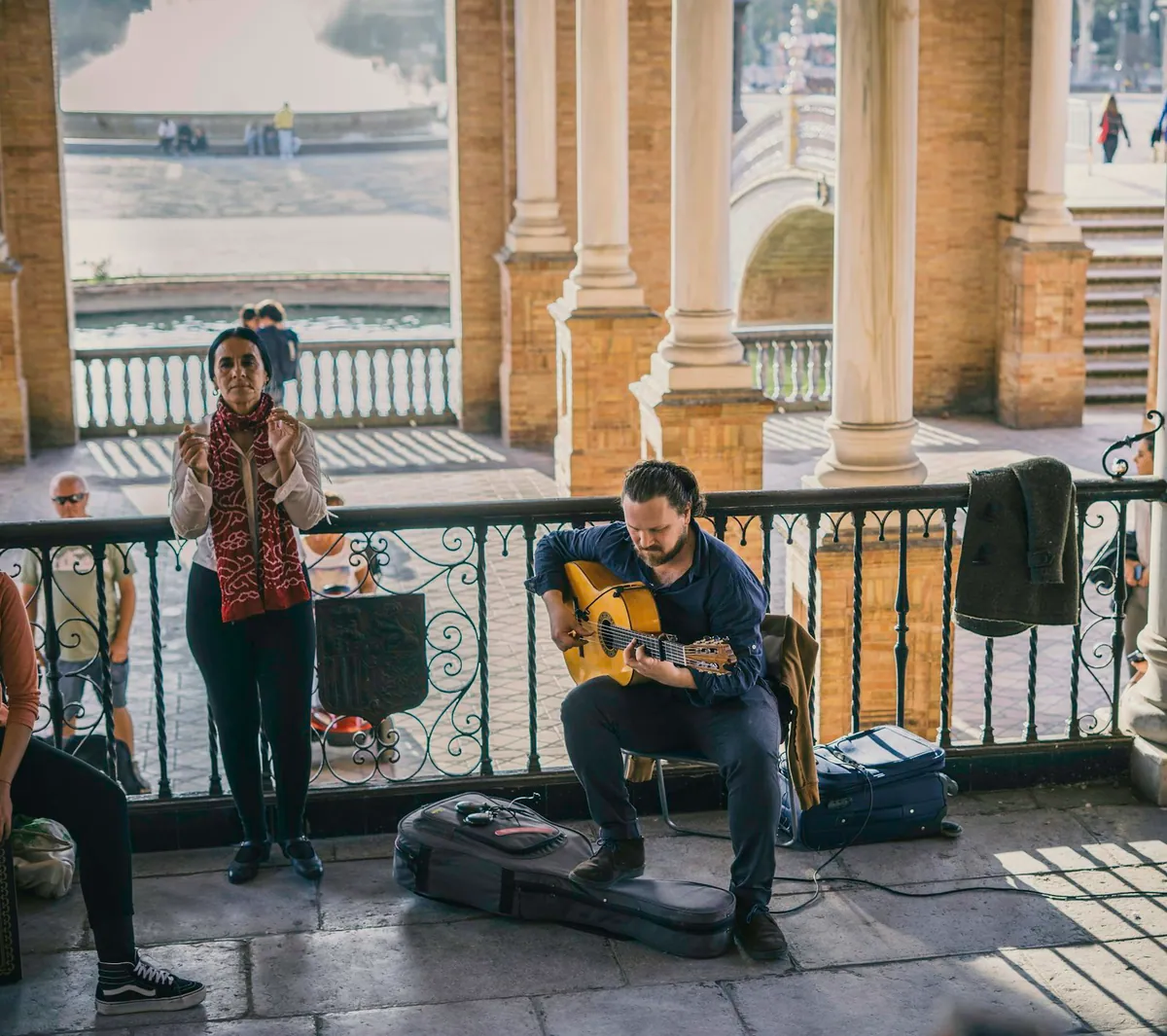
The famous serious tablaos are Los Gallos (in Santa Cruz, since 1966), Casa de la Memoria (in a converted convent, more intimate, no food just the show), El Arenal (more touristy but still excellent dancers), and the Museo del Baile Flamenco (which has performances in its courtyard). The newer La Casa del Flamenco in Santa Cruz is also reliable. Book a day ahead. The shows usually run 60–90 minutes and they are nothing like the spectacle you might have seen at a hotel cabaret — these are serious dancers performing at the edge of their craft, and the energy in the small rooms is extraordinary.
I went to Casa de la Memoria. The female dancer that night was probably 50, slight, in a red dress, and she did a soleá that ended with the room completely silent for about five seconds before the audience erupted. I have not stopped recommending Seville flamenco since.
Day two: Plaza de España and Triana
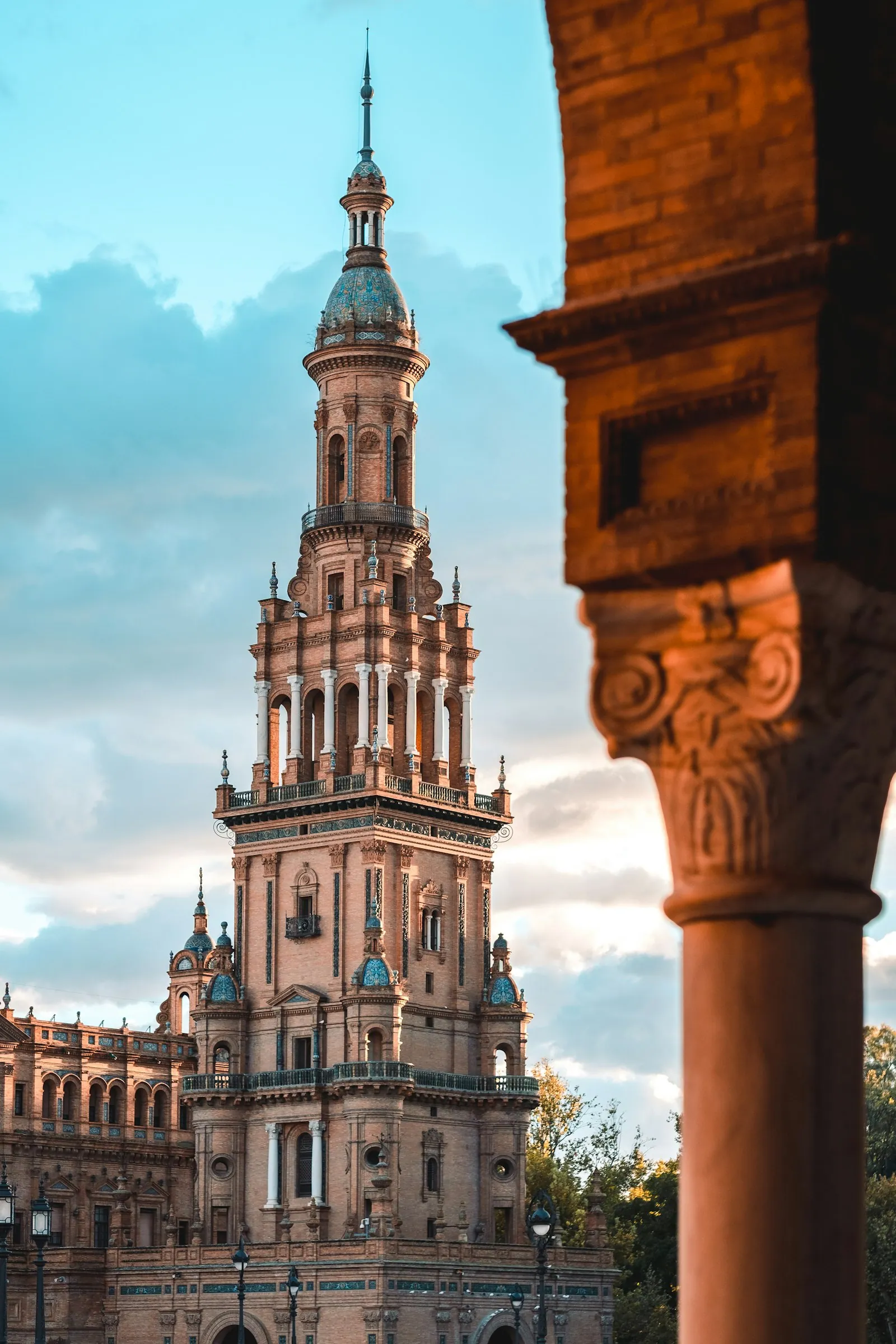
The Plaza de España was built for the 1929 Ibero-American Exposition — a vast semicircle of red brick and glazed tile, with a small canal in front of it (you can rent rowing boats for €6), four bridges crossing the canal, two square towers at either end, and a series of 48 tiled alcoves around the perimeter, one for each Spanish province. The whole thing is enormous, beautifully kept, and the most photogenic public space in Andalusia.
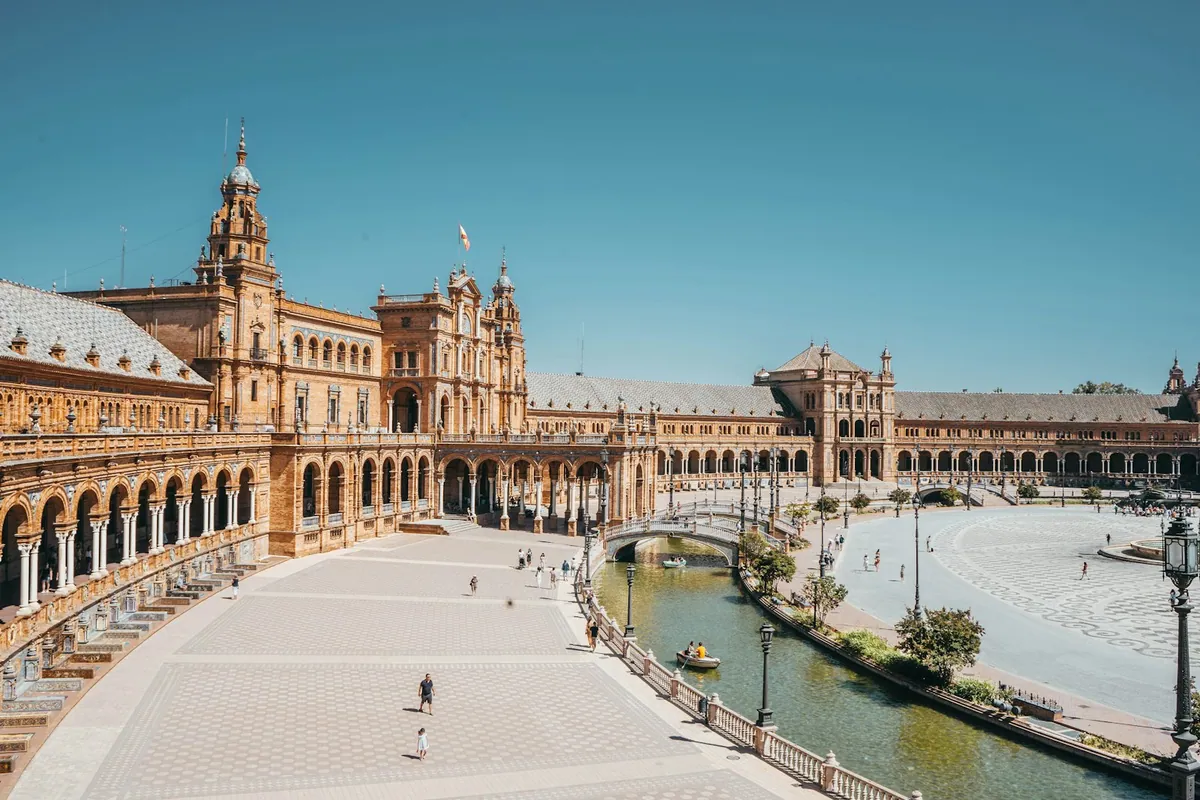
Walk slowly. Find your home province’s alcove. Eat an early lunch at one of the cafes in the surrounding Maria Luisa Park.
In the afternoon, cross the river to Triana — the old gypsy and ceramics quarter on the west bank. Triana has its own strong identity: the patron saint of the neighbourhood, the great ceramic ateliers (Cerámica Santa Ana, Cerámica Santa Isabel — both still working), and the Triana Market (a lovely small covered food market). Walk along the riverfront promenade in the late afternoon for views back across to the cathedral and Giralda.
For dinner, eat in Triana — Sol y Sombra, Las Golondrinas, Casa Cuesta. Then a long sunset walk back across the Puente de Triana for the views of the city skyline.
Day three: a day trip — Itálica or Cádiz
If you have a third day and want to escape the city, two day trips are worth the effort.
Itálica, 9 km north of Seville, is the impressively preserved Roman city founded in 206 BC, the birthplace of the emperors Trajan and Hadrian. The amphitheatre, the floor mosaics in the noble villas, and the broad central streets are all visible. Half-day visit by bus from Seville. Fans of Game of Thrones will recognise the amphitheatre as the Dragonpit in season 7.
Cádiz, 1 hour 40 minutes south by train, is the oldest continuously inhabited city in Western Europe (founded by the Phoenicians around 1100 BC), a beautiful seaside city of white-washed buildings, Atlantic beaches, and the most laid-back Andalusian rhythm. A perfect day trip for a contrast.
If you don’t want to leave Seville, spend day three slowly. The Metropol Parasol (the giant wooden lattice in Plaza de la Encarnación, also called Las Setas) is a contemporary architectural curiosity with a rooftop walk. The Hospital de los Venerables is a beautifully preserved 17th-century almshouse with a great Velázquez. The Casa de Pilatos is a beautiful private palace with a courtyard reminiscent of the Alcázar at one-tenth the crowds.
End the trip with one more flamenco show. Or one more long lunch. Or both.
How nice are Sevillanos?
Andalusian-warm. The southern Spanish are famously the most outgoing of all Spaniards, and Seville sits comfortably at the warmest end of that. My three days included: a tapas bar owner give me a free glass of fino sherry to teach me how to drink it properly; a Cathedral guide stay an extra ten minutes after his tour to point out the small things he hadn’t had time for; and a flamenco tablao manager hand me a pamphlet about a young dancer she wanted me to look up if I came back next year. The friendliness is real, generous, and slightly performative in the best Andalusian way.
If you go
• Visit between October and May. June through September is too hot for serious sightseeing. • Book flamenco a day ahead. The serious tablaos sell out. • Eat tapas. The Andalusian tapas tradition is one of the great food cultures of Europe. • Drink fino or manzanilla sherry, not just wine. Both are dry, crisp, and the perfect Andalusian aperitif. • Walk the small streets of Santa Cruz at night. The atmosphere is the experience.
Seville is the great theatrical city of southern Spain. Three days here will give you the Alcázar, the Cathedral, the Plaza de España, and an evening of flamenco that will stay with you for years. You leave with a serious affection for Andalusia and a serious craving for jamón.