Paris in Five Days: Eiffel Tower, Notre Dame and a Long Lunch in Montmartre
A first-timer’s loop through the city that pretends not to care if you love it.
📍 Paris, France
Paris does not throw itself at you. It is a city that assumes you have done your reading, that you know which arrondissement you’re in, that you can pronounce the name of the cheese on the blackboard. The first afternoon in Paris is, almost universally, slightly disappointing. The streets are quieter than you expected. The Mona Lisa is smaller than you thought. The Eiffel Tower, when you turn the corner of Avenue Bourdonnais and see it for the first time, is somehow both bigger and more familiar than the photographs prepared you for. Then, around your second evening — usually halfway through a glass of cheap vin de pays at a corner cafe in the Marais, with a strange dog sitting at your feet and a saxophone player half a block away — Paris quietly reveals what it actually is. And by your fourth morning you’re mentally planning your return.
Five days is the right amount of time for a first visit. You will not see everything. You will not even see most things. What you can do is taste enough of the place to know what you want to come back for.
Day one: arrive, walk, do nothing ambitious
Paris is a walking city. Get an Uber or RER B from Charles de Gaulle to the centre, drop your bag, and walk. The single best first afternoon in Paris is to wander from your hotel to the Seine, follow the river east on whichever bank you’re closer to, cross at any bridge that catches your eye, and end up somewhere with a coffee in front of you. You will pass the Louvre. You will pass Notre-Dame. You will pass three patisseries, two bookshops, and a man playing accordion who has been playing the same accordion in the same spot since 1987.
Eat dinner that night somewhere unremarkable in your neighbourhood — a corner brasserie with a chalkboard menu and brown wood panelling. Order steak frites or magret de canard. Drink a 187ml carafe of red. Watch the room. The food will be good, not transcendent. The room will be the experience.
Day two: the Eiffel Tower at dawn, then the museum
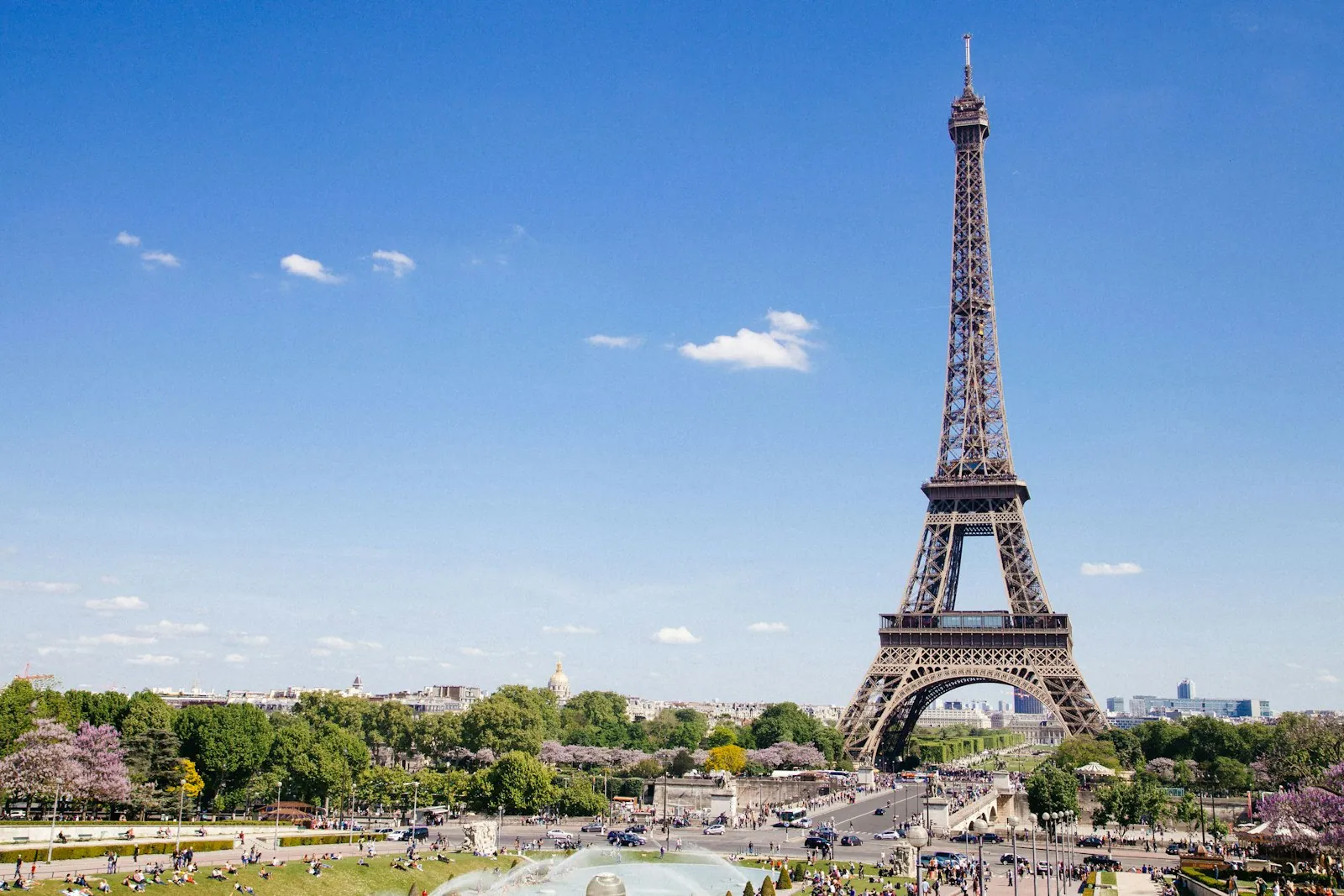
Set an alarm for 6:30 a.m. on day two. Walk (or metro) to the Trocadéro. There’s a long, broad terrace at the top of the hill above the Eiffel Tower, and at sunrise it’s nearly empty — a handful of joggers, a few photographers, a couple of street sweepers. You stand at the rail with your coffee, the Eiffel Tower in front of you across the Seine, and the city slowly waking up beyond it. The light goes from grey to gold. The tower turns from black silhouette to pale honey. It is the photograph you will keep.
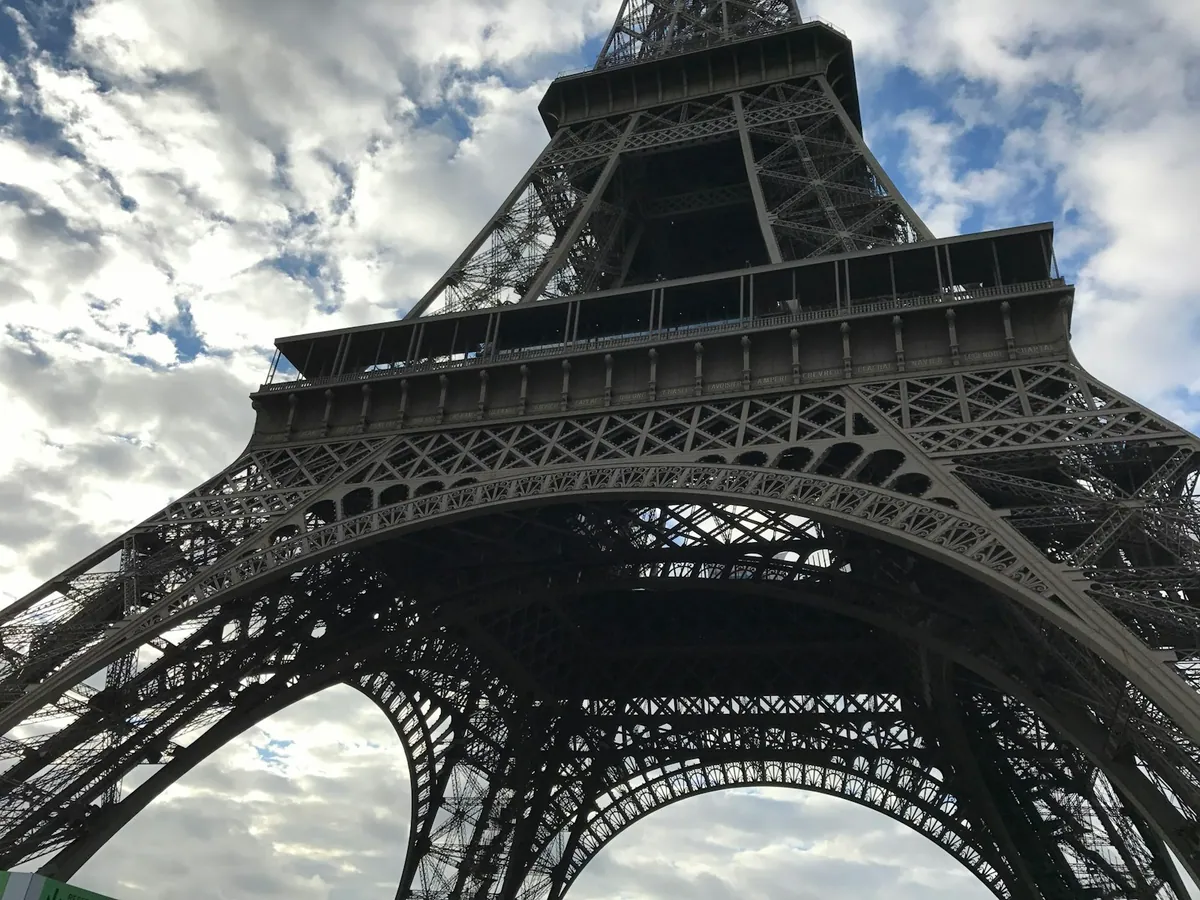
After sunrise, walk down to the Champ de Mars and through the gardens at the foot of the tower. Buy a ticket to climb (or take the lift if your knees prefer). The view is the obvious one. The detail people forget is that the Eiffel Tower itself is more beautiful from below — the lattice of iron, the rivets, the curvature of the legs — than from the top, where you’re looking at the rest of the city without it.
In the afternoon, do the Louvre. The Louvre is not a one-day museum; nobody has done it. Pick a wing. Pick a century. The Italian Renaissance corridor with the Mona Lisa and the Wedding at Cana is a perfect two hours. The Egyptian antiquities are a different two hours. The Apollo Gallery and the French crown jewels are a third. Don’t try to do all three. The trick to the Louvre is to leave wishing you’d had longer.
Day three: Île de la Cité, Île Saint-Louis, the Marais
Day three is for the islands and the right bank. Cross to Île de la Cité in the morning. The Sainte-Chapelle, tucked behind the Palais de Justice, is a small Gothic chapel built in the 1240s with the most spectacular stained glass in Western Europe — fifteen towering windows that flood the upper chapel with red and blue light. It is short to see (an hour does it) and it will recalibrate your expectations of what stained glass can be.
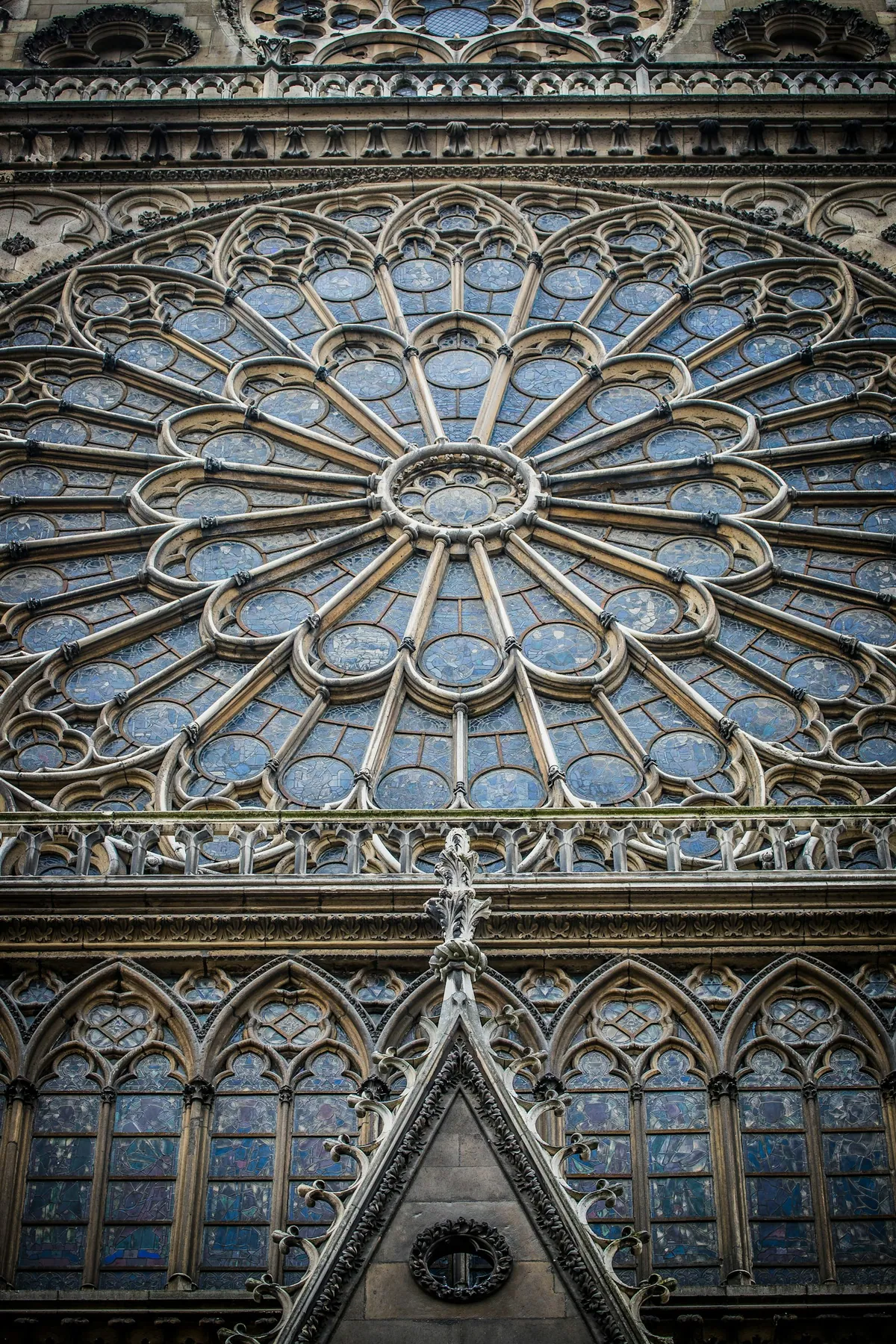
Notre-Dame, around the corner, has reopened after the 2019 fire. The exterior is now beautifully restored — the spire is back, the roof is rebuilt — and the interior, while still being finished in places, is open for visits. Allow an hour.
Cross to Île Saint-Louis for lunch. There is a famous ice cream shop here (Berthillon, of course) but lunch at a small bistro on the island, on a side street, with a view of the river, is the day. Get steak tartare or boeuf bourguignon if you’re hungry; the croque monsieur if you’re not. Don’t skip the cheese course.
In the afternoon, walk into the Marais — the historic Jewish quarter, now also the centre of Paris’ small-design and fashion scene, plus the city’s LGBT heart. Browse independent boutiques on Rue des Francs-Bourgeois. Stop for a pastry at one of the patisseries. Visit the Picasso Museum (Hôtel Salé) or the Carnavalet (the museum of Paris’ own history) — pick one. End the day with cocktails at one of the small bars on Rue de Sévigné.
Day four: Versailles or Musée d’Orsay
Day four is a choice. If the weather is good and you have the energy, day-trip to Versailles. The palace is twenty minutes by RER C from central Paris, the gardens are vast, and a full day there is rewarding even with the crowds. Get there at 9 a.m., do the State Apartments and the Hall of Mirrors first (busy at 10, packed by 11), then escape into the gardens for the afternoon. The Trianon estate at the back is calmer, prettier, and where Marie Antoinette had her famous hamlet.
If you’d rather stay in town, do the Musée d’Orsay. Housed in a former railway station on the left bank, it has the world’s greatest collection of Impressionist and Post-Impressionist painting — Monet, Renoir, Degas, Van Gogh, Cézanne, Toulouse-Lautrec — all in one beautifully-lit space. Plan three hours. Take the audio guide. Eat a slow lunch in the museum’s grand rooftop restaurant, which is itself an event (book ahead).
Day five: Montmartre, a long lunch, last stroll
Save Montmartre for the last day. The hill of Montmartre — the old artists’ quarter at the northern edge of central Paris, with the white-domed Sacré-Cœur basilica at the top — is touristy, yes, and full of caricature artists who will draw your portrait for €40 you don’t want to spend. But it’s also the most village-like part of central Paris, with steep cobbled streets, hidden vineyards (yes, Paris has a working vineyard), and the kind of small squares you can sit in for an hour and write a postcard.
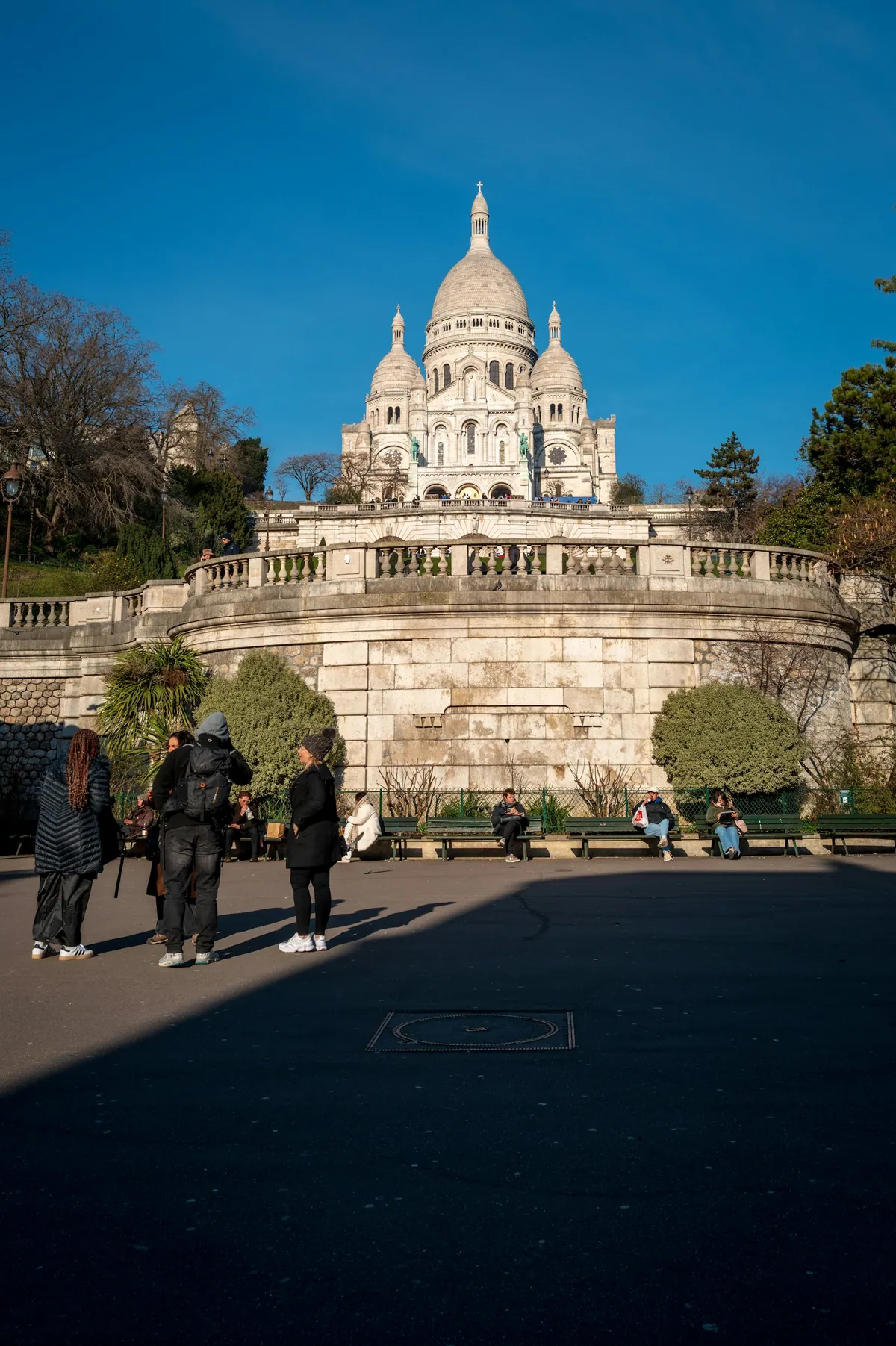
Climb to Sacré-Cœur for the view (free; the steps up the hill from Anvers metro are the picturesque way; the funicular is the lazy way). Walk a small loop through the side streets — Place du Tertre with the painters, Rue Lepic past the Café des Deux Moulins (the Amélie cafe), the Moulin de la Galette. Have a long lunch at one of the bistros on Rue des Abbesses. Leave room for a final coffee on a terrace.
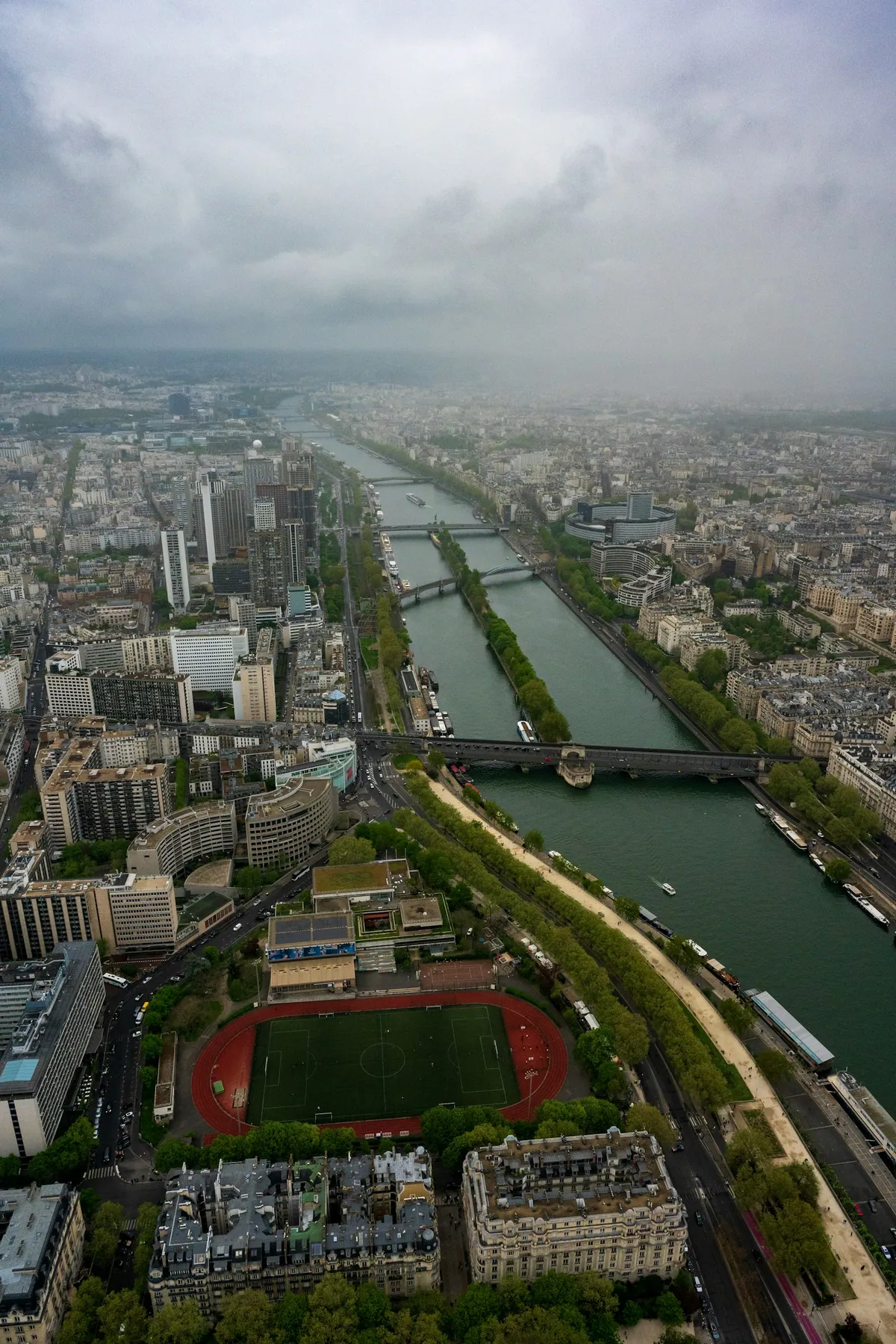
Spend your last afternoon back near the river. Walk the bouquinistes — the little green book stalls along the Seine. Buy a vintage poster you don’t need. Cross the Pont Neuf. Sit on the steps of the Pont des Arts and watch the boats. Paris doesn’t announce its endings either.
How nice are Parisians?
Better than the cliché. The reputation of Parisian rudeness is mostly about expectations: in Paris, you say bonjour first, you don’t shout, you don’t expect the waiter to be your friend. Stick to those rules and Parisians are warm, dry, and quietly helpful. My five days included: a metro stranger walking me halfway across the platform when she saw me looking lost; a baker quietly upgrading my baguette to a sourdough at no extra charge because “you look like someone who would prefer this”; a museum guard at the Orsay who, after I’d been in front of a single Renoir for fifteen minutes, came over to point out a small detail I’d missed. The friendliness in Paris is dry, but it is real.
If you go
• Use the metro. It’s extensive, cheap, and gets you everywhere. • Say bonjour first. Always. To shop staff, to waiters, to anyone. • Book Sainte-Chapelle and the Louvre in advance — walk-up is now hard. • Eat the bistro lunch over the museum lunch when you can. The neighbourhood food is the soul. • Pack walking shoes. You will walk fifteen kilometres a day without trying.
Paris is not a city that loves you immediately. It’s a city that, slowly, lets you fall in love with it. Five days is the start. You’ll know whether you’re a Paris person by the second evening, and if you are, the planning for the next visit begins on the flight home.