Munduk: Bali’s Cool Highland Village of Waterfalls and Twin Lakes
Two days in north Bali — coffee plantations, jungle waterfalls, and the misty lake temple at Beratan.
📍 Munduk, Buleleng, Bali, Indonesia
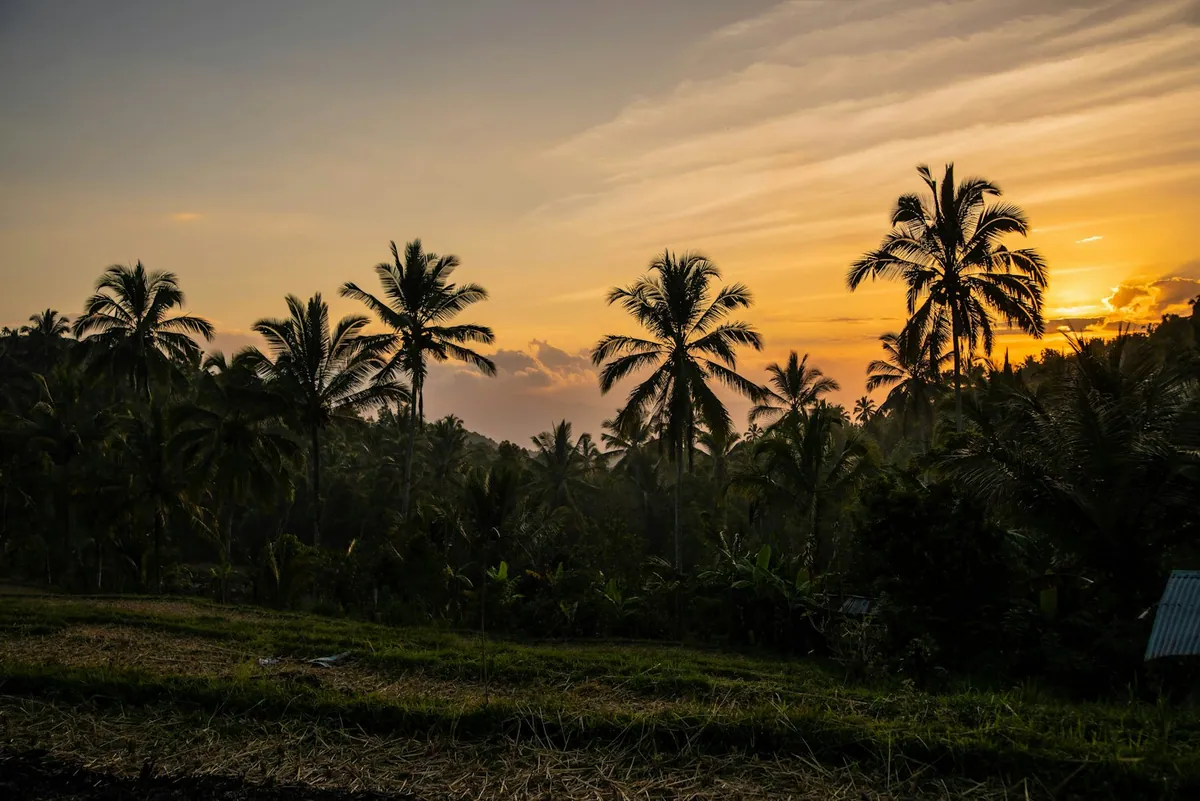
Munduk is a small village in the highlands of north Bali, sitting at about 800 metres above sea level on a ridge above two crater lakes (Buyan and Tamblingan), surrounded by clove and coffee plantations. It is cool. Genuinely cool — daytime temperatures sit in the low 20s, evenings can drop into the high teens, and the jungle that surrounds the village is constantly damp and full of waterfalls. After a week on the south coast, the change in altitude and humidity is so welcome it feels physical. You step off the scooter or out of the car at your guesthouse, take one breath of the crisp pine-and-mud air, and your shoulders drop a centimetre.
Munduk is the part of Bali that the travel guides have started talking about and most travellers still skip. Two days is the minimum. Three is better.
Getting there
Munduk is about three hours by car from Ubud and three and a half from the south-coast resorts. Hire a driver — the road up is winding and a scooter trip from the south is a long, exposed slog. Most travellers either base in Munduk for a few nights as a stand-alone destination, or visit on a day trip from Ubud, which is doable but rushed.
Stay at one of the small family-run guesthouses along the village’s main road or on the slopes below it. Many include breakfast on a deck overlooking the valley. Cost: $40–80 per night for somewhere lovely.
Day one: arrive, walk to the Melanting waterfall
Arrive in Munduk in the early afternoon. Have lunch at one of the small warungs in the village — Warung Made Ngiring is a favourite, with a deck looking down the valley. Then walk.
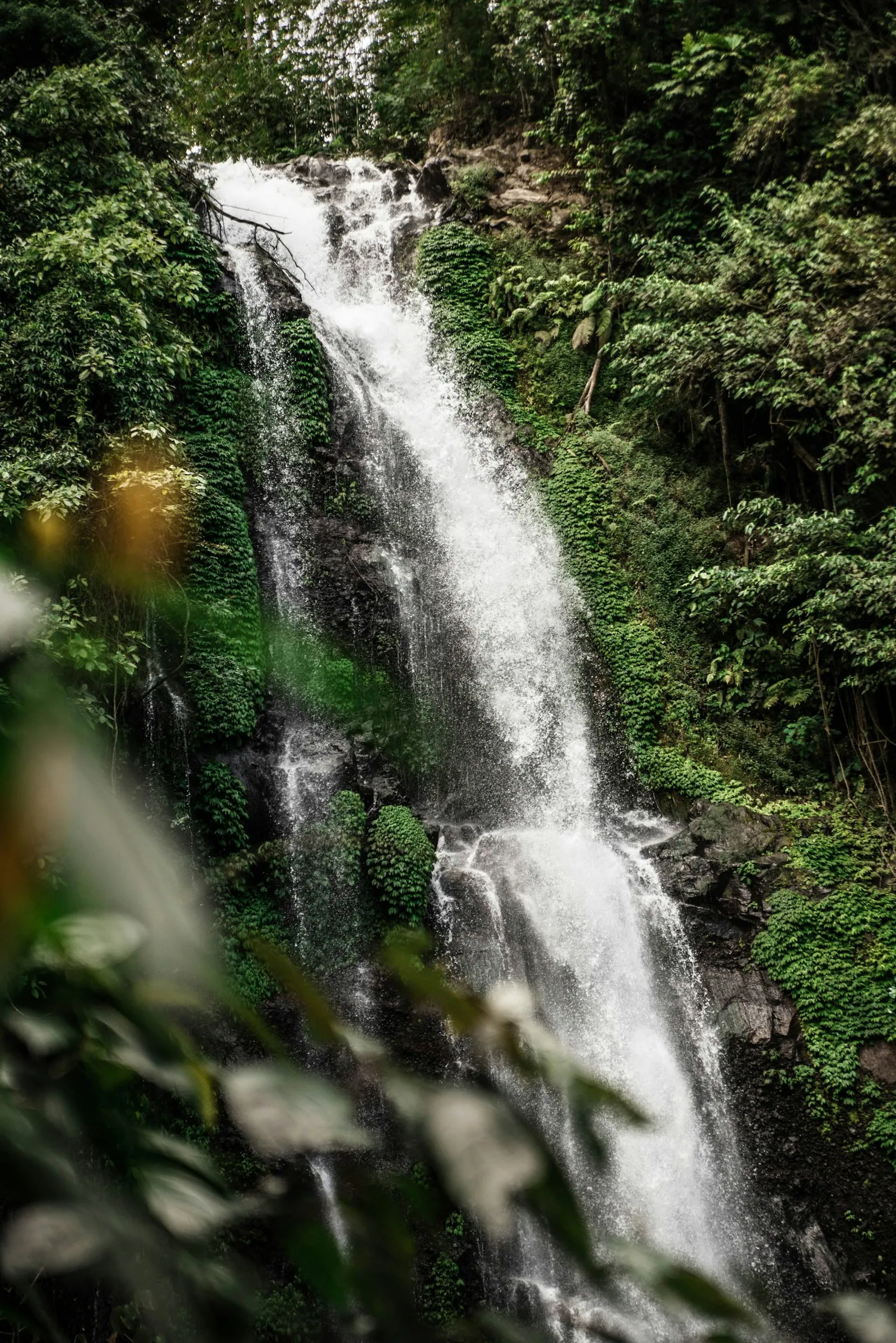
The single most popular activity in Munduk is the waterfall walk. There’s a paved path that leaves from the eastern end of the village and descends into the valley below, passing two main waterfalls along the way: Munduk Waterfall (15 minutes from the village, accessible, gentle) and Melanting Waterfall (30 minutes from the village, more dramatic, in a steep gorge). The walk itself, through coffee and clove plantations, is the experience. The waterfalls are the bonus.
Melanting is the photogenic one — a 25-metre drop into a deep, dark plunge pool, the surrounding jungle so dense that the spray hangs in the air. There’s a viewing deck at the base; the more adventurous can scramble down to the pool itself for a swim. The water is cold, clear, and the kind of swim that you remember.
Day one evening: a long, slow dinner
Munduk’s evenings are quiet. Most of the village is in bed by 10 p.m. Have a long dinner at your guesthouse or at one of the village restaurants — Don Biyu (an open-air bistro on the village ridge) and Ngiring Ngewedang (further out of town, but with the best valley views in the area) are both good. Bring a fleece or a light sweater. Even in summer, evenings here can drop into the high teens.
Day two: the twin lakes, the temple, and Banyumala
Wake up early on day two. The cool morning air will lift you out of bed easily. Drive (or scooter) ten minutes south of the village to the twin lakes — Lake Buyan and Lake Tamblingan — sitting in the same volcanic caldera, separated only by a thin neck of land. There’s a viewpoint above them on the road from Munduk that gives you the famous postcard view: two lakes, jungle-clad slopes, mist often hanging in the morning. Stop. Take photographs.
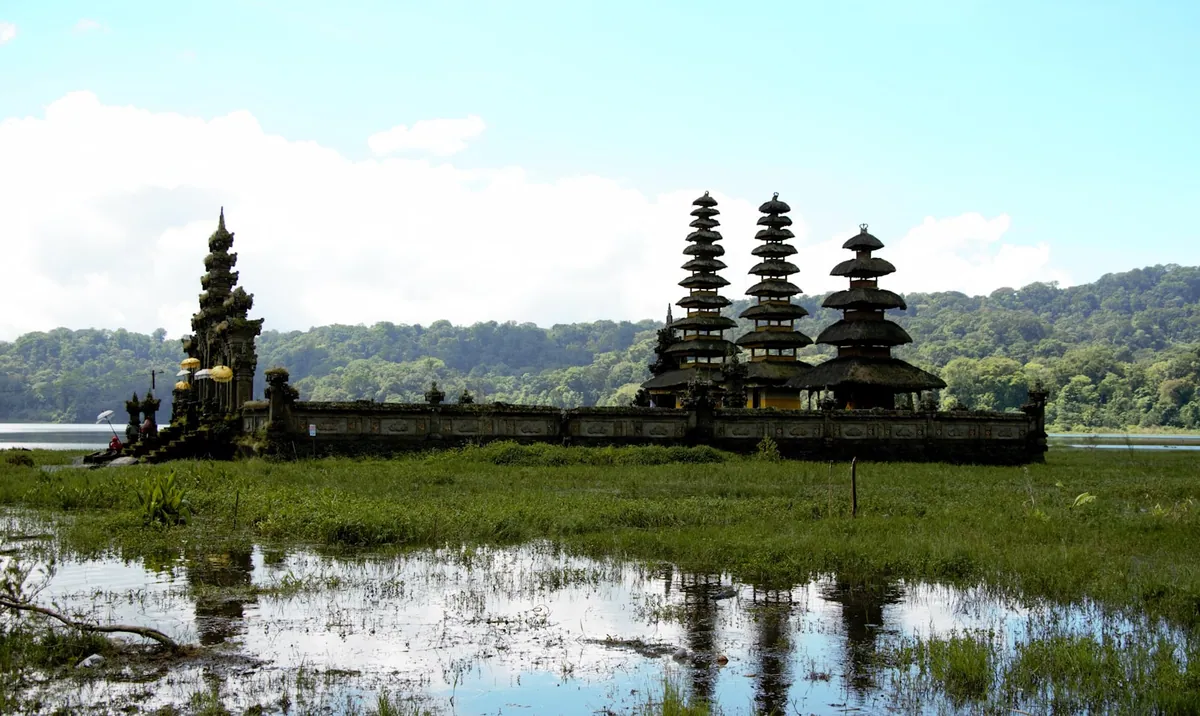
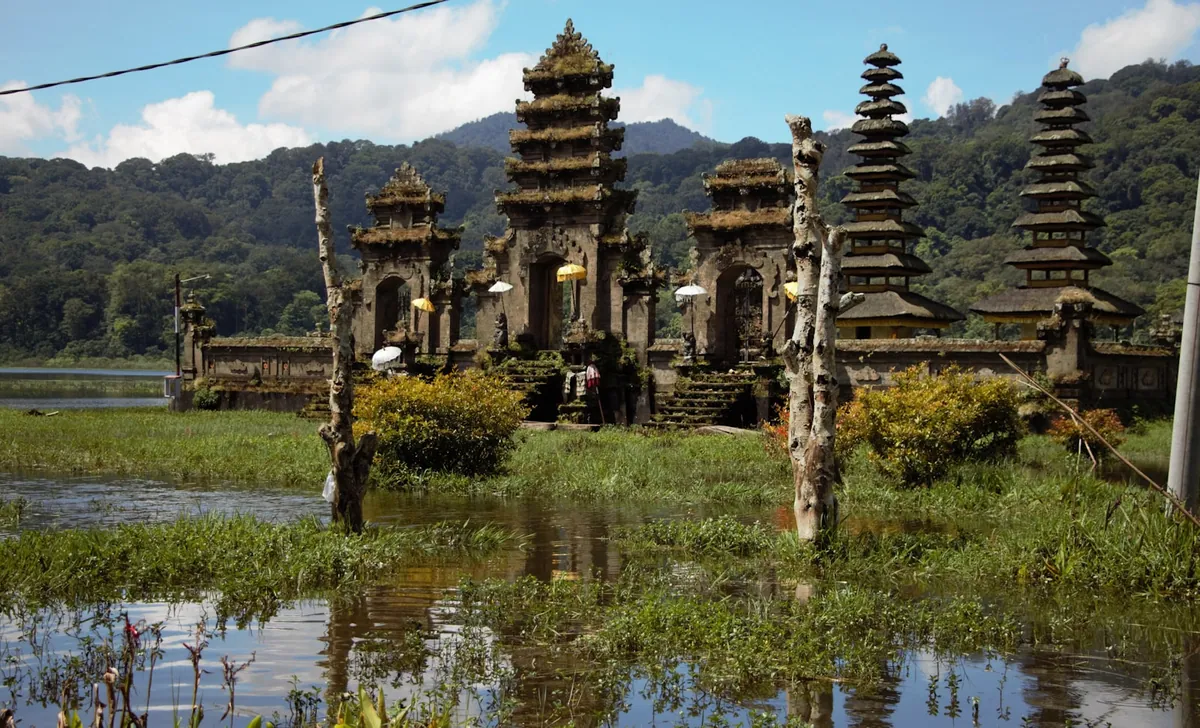
You can hire a small wooden boat at Tamblingan and have a local poler take you out across the lake to the small temple on the eastern shore — Pura Ulun Danu Tamblingan — for an hour of glassy-water peace. Cost: about $10 for two people. There’s very little tourist infrastructure here. It’s exactly what you came to north Bali for.
A short drive south brings you to Pura Ulun Danu Beratan, on the shore of Lake Beratan in Bedugul. This is the famous floating temple — the one that appears on the 50,000 IDR Indonesian banknote and on every other Bali postcard. The temple is built on a small platform on the edge of the lake; at high water, it appears to float. The grounds around it are a beautifully maintained botanic garden of frangipani, marigolds, and clipped lawns. Get there before 9 a.m. for the morning calm.
In the afternoon, drive back via the Banyumala twin waterfalls — a 15-minute hike down a moss-covered staircase from the road to a pair of waterfalls cascading into a single broad pool. You can swim. The water is cold and the air smells of wet rock and forest. It is, by my count, the prettiest waterfall I’ve been to on Bali. Less famous than Sekumpul (which is also worth a half-day), much less crowded, and the swim is excellent.
What surprised me about Munduk
Three things, in order of how surprising they were.
First, the cold. I had not packed for cold weather. My second night in Munduk dropped to about 14°C and the open-air restaurant I’d booked for dinner was the kind of cold where you regret every sleeveless top you packed. The fleece I borrowed from my homestay owner became a permanent companion for the rest of the trip.
Second, the silence. There is no traffic in Munduk after about 8 p.m. The valley below is dark. The only sound at night is frogs and the occasional distant cluck of a chicken. After a week on the south coast, where the ambient noise of scooters and beach-bar music never really stops, the quiet was almost confronting.
Third, the coffee. Munduk is in the middle of one of Bali’s historic coffee-growing regions, and the coffee at every cafe and warung in the village is excellent — strong, dark, properly roasted, and costs about a dollar a cup. The Balinese coffee tradition is to serve the grounds at the bottom of the cup unfiltered (kopi tubruk), which takes a moment to get used to but rewards you with a deeper flavour than the espresso machines at the south-coast brunch cafes ever quite manage. Have several. They’re what fuels the morning waterfall walks.
How nice are highland Balinese?
Quietly, deeply nice. Munduk is small enough that the same faces appear in different places — your guesthouse owner is also the brother-in-law of the warung owner, who is also the cousin of the boat poler at Tamblingan. The pace gives them time to talk to you. My guesthouse owner spent an hour on the deck the first evening explaining the coffee-and-clove farming cycle and showing me his collection of harvest tools (which he had inherited from his grandfather). He also taught me, in halting English, the seven Balinese names for stages of rice growth. I have forgotten most of them. I have not forgotten his patience.
If you go
• Two days minimum. Three if you want to do all the waterfalls. • Bring a fleece. The highland evenings are cooler than you think. • Hire a driver from the south. Don’t scooter the whole way unless you’re very experienced. • Wake up early. The morning lake mist is the photograph. • Combine Munduk with one or two nights in Ubud rather than a single rushed week — they’re different climates and different paces, and you’ll appreciate both more after the contrast.
Munduk is the cool, slow, less-photographed Bali. After a week of beach clubs and rice paddies, two days here will reset your nervous system. The waterfalls are real, the lakes are quiet, the temple on the water is exactly as photogenic as the postcards suggest, and the village in the evenings is one of the most peaceful places in Indonesia. You will, on the drive back south, immediately start planning a return.