Granada in Three Days: The Alhambra, the Albaicín and the Sierra Nevada
Three days at the foot of southern Spain’s great mountain — the Moorish palace that takes your breath, the white quarter facing it, and a hot tapas culture.
📍 Granada, Spain
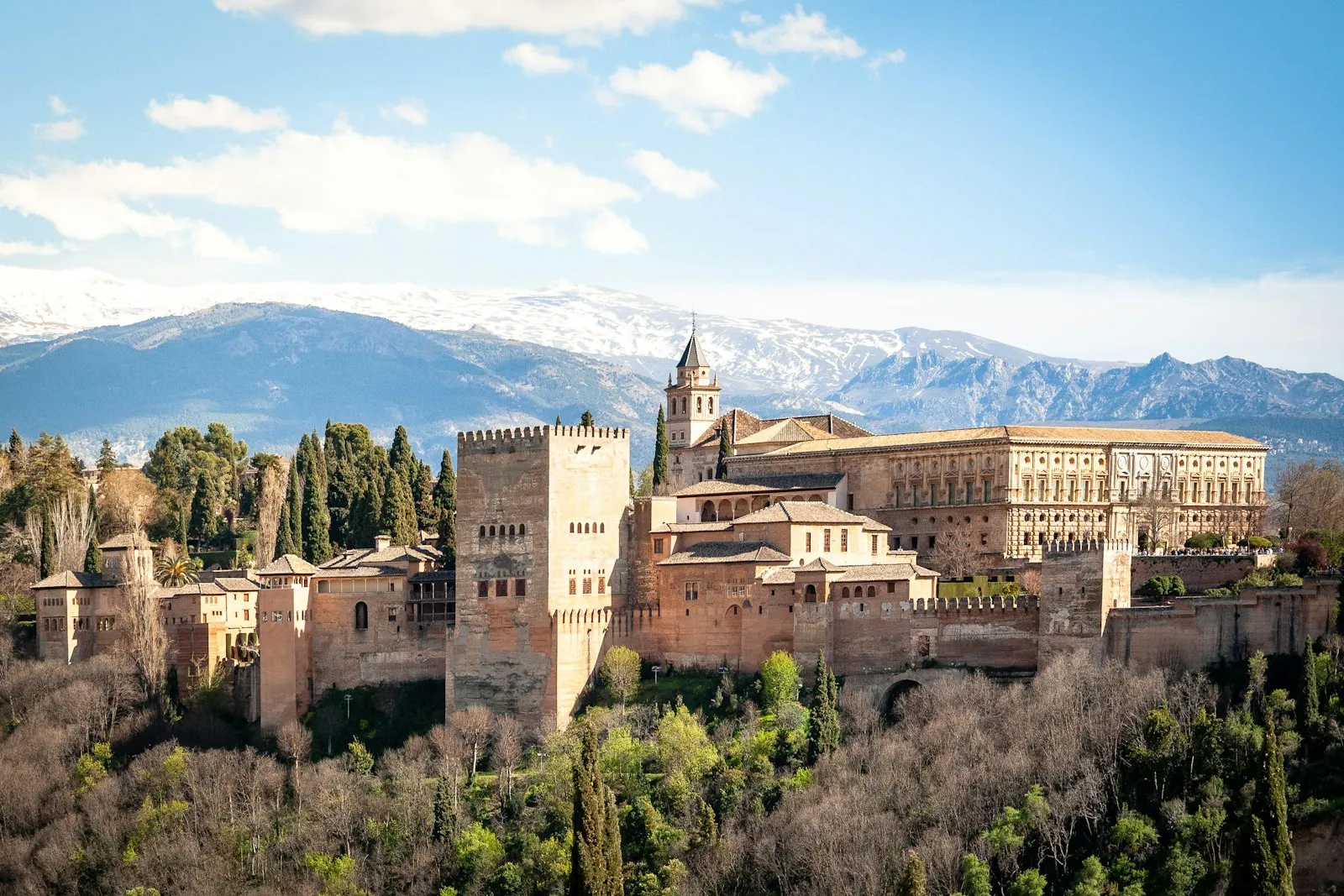
Granada is the Moorish jewel of southern Spain, the last city held by the Nasrid dynasty before the 1492 reconquest by the Catholic monarchs Ferdinand and Isabella, and it has, perched on a hill at the eastern edge of the city, the single most beautiful Islamic-era palace complex in Europe: the Alhambra. The Alhambra alone is worth the trip. But Granada is also a city of two old quarters facing each other across a narrow river — the Alhambra side and the Albaicín side, the white-washed Moorish neighbourhood that sits opposite the palace and gives you the famous postcard view of it. Add in the snow-capped Sierra Nevada in the distance (Spain’s highest mountain range; in winter you can ski in the morning and have tapas in the city at lunchtime), the local free-tapas tradition (every drink ordered in a Granada bar comes with a small free tapa — almost no other city in Spain does this), and three days fills itself.
The setup
Fly into Granada (small airport, 30 minutes from the centre) or take the AVE high-speed train from Madrid (3.5 hours). Stay in the historic centre — near Plaza Nueva or in the Realejo neighbourhood — for the easiest walking access to the Alhambra and Albaicín. Mid-range hotels run €90–160 a night.
The historic centre is walkable. Use the Alhambra’s small bus (line C30 from Plaza Isabel la Católica) for the climb up to the palace if your knees prefer.
Day one: the Albaicín and the view
Day one is for the Albaicín side. You climb up the white-washed hillside opposite the Alhambra, walk the small steep streets, and end at the Mirador de San Nicolás — the famous viewpoint that looks directly across the Darro river to the Alhambra on its hill, with the snow-capped Sierra Nevada behind it. Bill Clinton once said it was the best sunset he’d ever seen. He was not wrong.
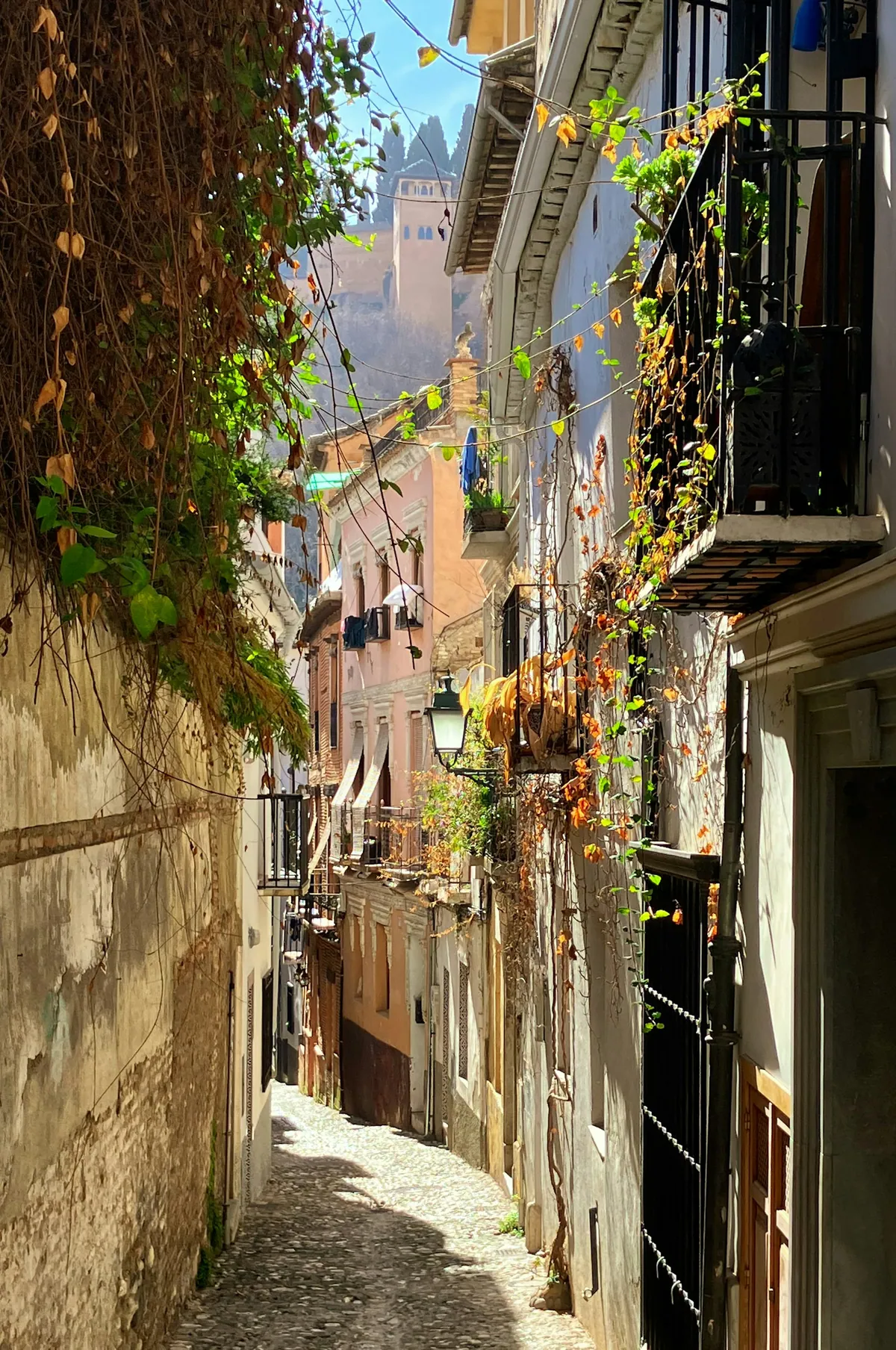
Walk up via the Carrera del Darro — a cobbled street along the river under the Alhambra walls — and then climb into the Albaicín. The streets are narrow, steep, white-washed, with small carmens (the local style of villa with an enclosed garden) and tiny squares with old fig and orange trees. The Casa Horno de Oro and the Bañuelo (a beautifully preserved 11th-century Moorish bathhouse, free entry) are worth small stops on the way up.
The Mirador de San Nicolás itself is a small stone platform in front of a 16th-century church. There are usually a couple of guitarists playing flamenco for tips, a few small bars and stalls selling drinks, and a crowd of locals and visitors at sunset. Don’t leave anything in your pockets — the area is known for occasional pickpocketing in the dense sunset crowds.
For dinner, eat in the Albaicín itself or back down in the Realejo quarter. Reliable spots: Bar Aliatar, El Aji (a bistro halfway up the Albaicín climb), or the small bars around Calderería Nueva (the Albaicín’s “Calle de las Teterías” — the tea-house street, lined with Moroccan-style mint tea cafes).
Day two: the Alhambra and the Generalife
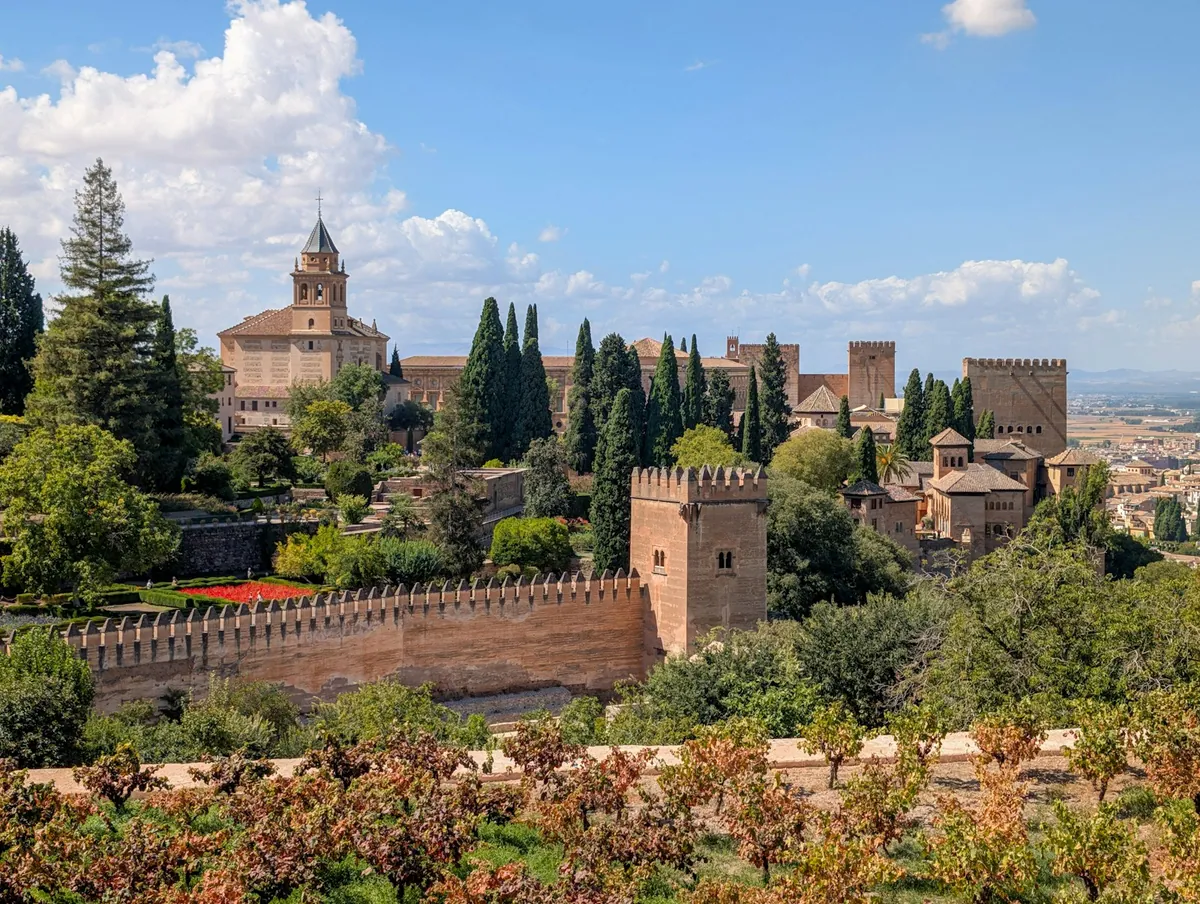
The Alhambra is the experience. The complex sits on the hill of Sabika directly above the city, and at its core are three groups of buildings: the Alcazaba (the original 9th-century military fort, with great views from its towers), the Nasrid Palaces (the 13th- and 14th-century royal palaces — the Mexuar, the Comares Palace with the famous Patio de los Arrayanes, and the Palace of the Lions with the iconic Patio de los Leones), and the Generalife (the summer palace and gardens, slightly removed from the main complex on a separate hilltop).
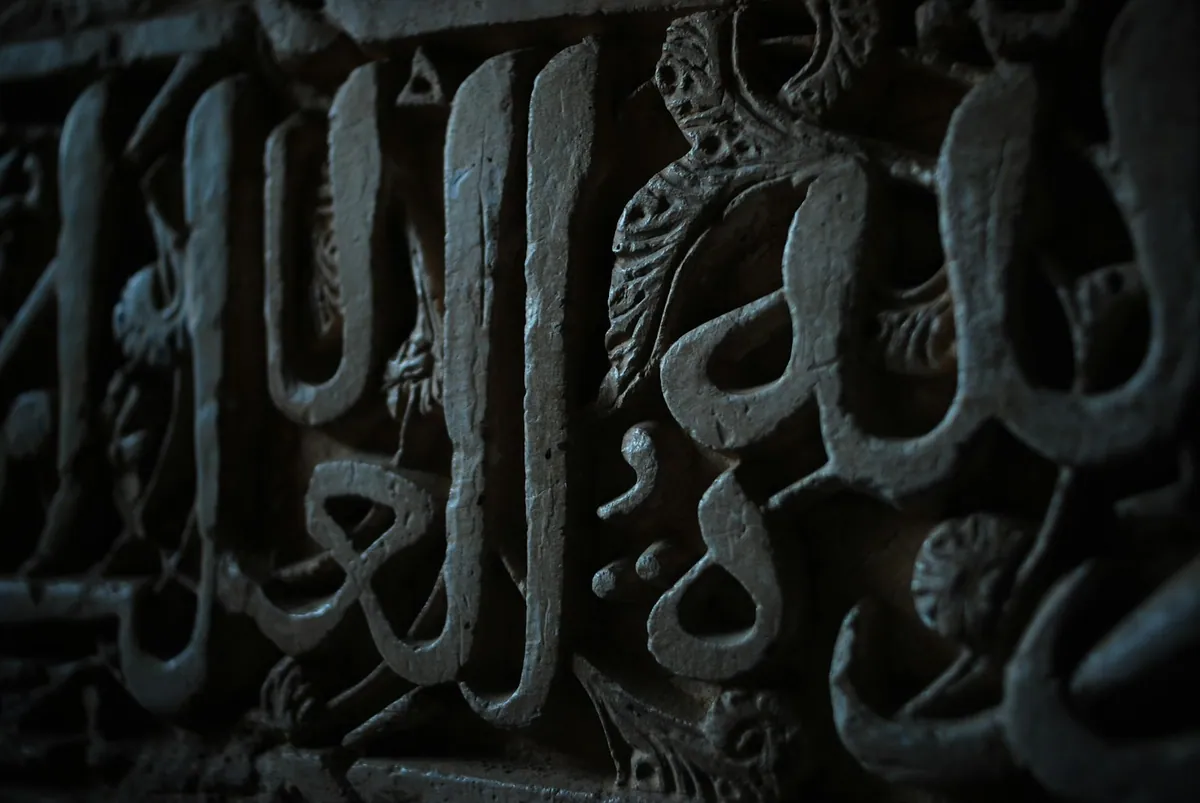
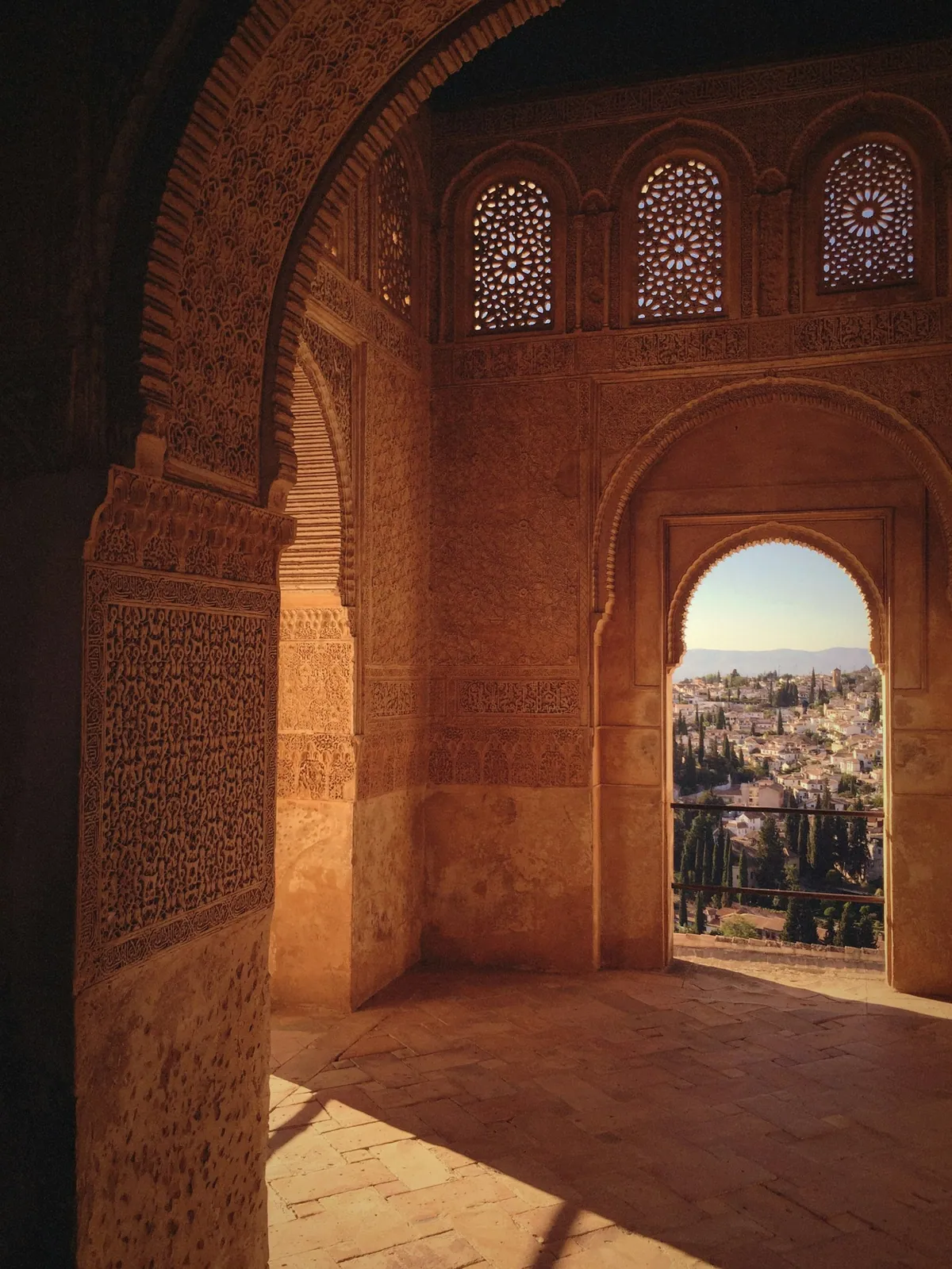
The Nasrid Palaces are the architectural and emotional centre of the visit. The detail in the wall carvings, the calligraphy, the tilework, the muqarnas (the honeycomb stalactite ceilings) is overwhelming. The Patio de los Leones — a central courtyard with twelve marble lions supporting a fountain at the centre, surrounded by 124 slender columns — is one of the most extraordinary architectural spaces in Europe.
You buy a timed-entry ticket to the Nasrid Palaces, and you must enter at your assigned time slot. Book online weeks in advance (about €19) — the Alhambra is one of the most-visited monuments in Spain and tickets sell out fast. The Alcazaba and Generalife can be visited at any time during your visit window.
Allow a full day for the Alhambra. Take water. Take a hat. The complex is large and partially exposed.
After the visit, eat dinner back in the centre. The Alhambra’s own restaurant (the Parador de Granada, in a former convent inside the walls) is a destination meal — book ahead. For the Granada free-tapas culture, try Bodegas Castañeda (the famous one in the centre, since 1924), Los Diamantes, or any of the small bars around the Realejo. Order a beer or a glass of wine. The tapa arrives free, and the size of the tapa scales with the price of your drink.
Day three: the Generalife in detail, the Cathedral, and the Sierra Nevada
If you haven’t spent enough time in the Generalife on day two, go back. The Generalife — meaning “the architect’s garden” — was the Nasrid sultans’ summer retreat, just up the hill from the Alhambra proper, with a beautiful series of formal gardens, water channels, and pavilions. The Patio de la Acequia, with its long central pool flanked by jets of water and paths of orange trees, is the most photographed garden in Spain.
In the afternoon, walk into Granada’s Christian quarter — the area around the Cathedral. Granada Cathedral is one of the great Spanish Renaissance churches, built starting in 1518 on the site of the demolished main mosque, and the Royal Chapel (Capilla Real) next door holds the tombs of Ferdinand and Isabella, the Catholic Monarchs who completed the Reconquista. It’s a quieter, less spectacular site than the Alhambra but full of historical weight.
If you have a fourth day or really want a contrast, head into the Sierra Nevada. The Pradollano ski resort is 35 minutes by car or bus from the city centre, and from late November to April you can ski. In summer, the high mountain trails (Capileira, Pampaneira, the white villages of the Alpujarras) are some of the best mountain hiking in Spain. A day trip to Pampaneira is the easy version.
End the trip with one more long evening at a tapas bar in Realejo or near Plaza Nueva. The Granada free-tapas tradition means a long evening can cost €20 a person and feel like a feast.
How nice are Granadinos?
Andalusian-warm with a slight Moorish twist. The Granada culture has a particular pride in its Moorish heritage — a lot of the small details of the old town reflect it consciously — and the friendliness, like Seville, is direct and unguarded. Within three days I had: a tapas bar give me a second tapa (an extra one) “because you waited politely”; an Albaicín cafe owner walk me out of the lane to point me to a smaller bar with the better view; and a Cathedral guide quietly point out the carved details on the choir screen that he thought I’d miss. Granada is one of the warmest small-tourism cities in Spain.
If you go
• Book Alhambra tickets weeks in advance. Without one you cannot see the Nasrid Palaces. • Stay central. The historic centre is small and walkable. • Order beer or wine at tapas bars to trigger the free-tapa custom. Coffee and soft drinks usually do not get tapas. • Walk the Albaicín at sunset for the photograph of the Alhambra from the Mirador de San Nicolás. • Take a fleece even in summer evenings. The city sits at 738 metres and the nights cool quickly.
Granada is the city in southern Spain that hits hardest. The Alhambra is the kind of building that rewires you. The free-tapas tradition is the gift that keeps on giving. Three days here is enough to leave a mark. Many travellers come back.