The Costa Brava: Cadaqués, Tossa de Mar and the Catalan Coast
Three days on Catalonia’s rugged Mediterranean coast — the white village that Dalí lived in, the medieval seaside town, and the calas in between.
📍 Costa Brava, Spain
The Costa Brava — the “rugged coast” — is the 200-kilometre stretch of Catalan Mediterranean coast running from Blanes north to the French border at Portbou. It is one of the great coastlines in Western Europe, alternating between dramatic limestone cliffs, white-washed fishing villages tucked into small bays, secret calas reached by short pine-shaded paths, and the occasional larger town built up around a medieval centre. The headline destinations are Cadaqués (the white-washed fishing village in the far north, a 15-minute drive from Salvador Dalí’s house at Portlligat, where he lived and worked from 1930 until his wife Gala died in 1982), Tossa de Mar (a small medieval walled town in the centre of the coast, with one of the only intact 12th-century coastal fortifications in Catalonia), and the calas around Begur and Palafrugell on the central section. Three days lets you do all three.
The setup
Fly into Barcelona (1 hour 45 minutes by train to Girona, the regional capital) or fly into Girona-Costa Brava (a smaller airport much closer to the coast). Hire a car at the airport — the coastal villages are dispersed and the small calas need wheels. Stay one night in Cadaqués, one in Begur or Palafrugell, and one in Tossa de Mar.
Day one: Cadaqués and the Dalí house
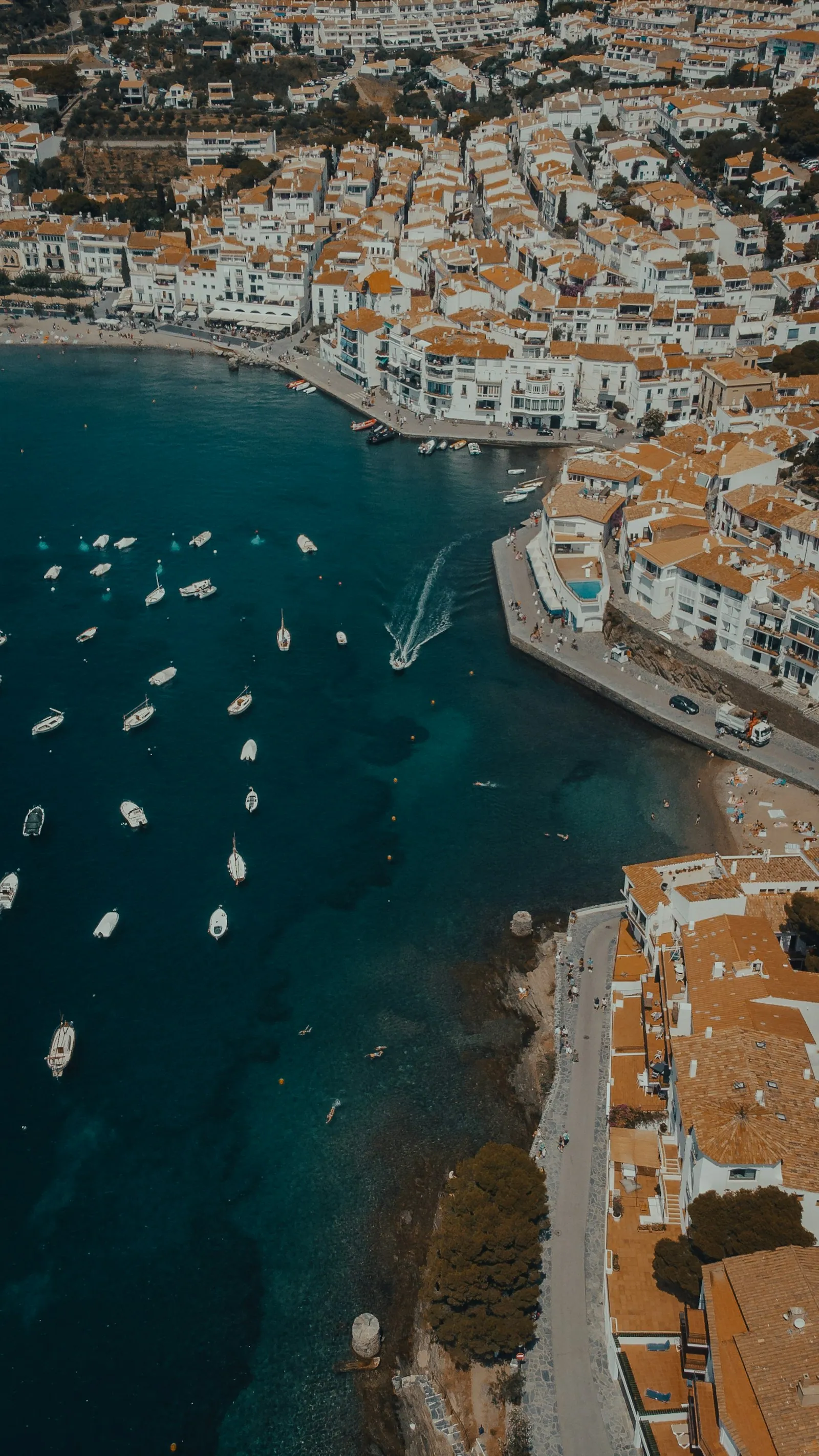
Drive to Cadaqués. The drive itself is the experience — the road from Roses winds up over the Cap de Creus mountains and then drops dramatically into the bay of Cadaqués, with the white village stepping down the hillside to the harbour. Cadaqués is a small fishing village, white-washed, almost car-free in the central streets, with a small natural harbour, a 16th-century church on the hill above, and the kind of slow, end-of-the-road feeling that has attracted artists and bohemians for a century. Pablo Picasso painted here. Joan Miró visited regularly. Salvador Dalí grew up summering here and made his adult home in the next bay over at Portlligat.
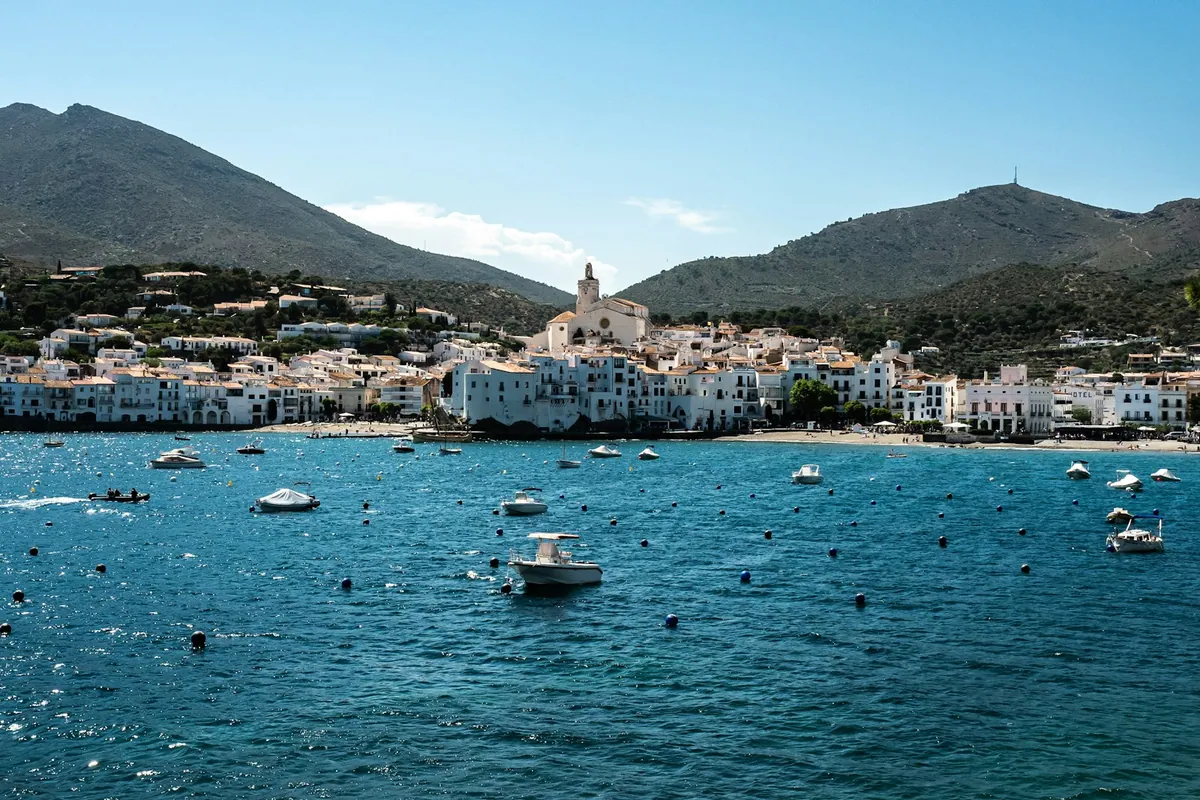
Walk the village. The main square (Plaza Frederic Rahola) has the cafes; the old streets behind the church are the photogenic ones; the seafront promenade runs around the small harbour and out to the Punta de Cadaqués. Have lunch at one of the seafront restaurants. Reliable: La Sirena, Compartir (the post-elBulli destination, founded by three former El Bulli chefs, two Michelin stars), or any of the smaller bistros in the back streets.
In the afternoon, drive 5 minutes around the headland to Portlligat. Salvador Dalí’s house — the Casa-Museu Salvador Dalí — is a fishermen’s cottage that Dalí progressively bought and connected over decades into a labyrinthine surrealist home, with extraordinary contents (the polar bear in the entrance hall, the patio with the giant egg, the studio with the easel, the room of stuffed white birds). Visit by reservation only — book online weeks in advance, especially in summer; tours are small (about 8 people, 50 minutes long, with a guide). Cost about €15. Allow ninety minutes including the small garden.
If you have any time after Portlligat, drive into Cap de Creus Natural Park — the wild rocky cape that is the easternmost point of mainland Spain, with extraordinary geology of folded schist and dramatic windswept landscapes that influenced much of Dalí’s painting. The lighthouse at the cape end has a small restaurant.
End the day with a sunset and a long dinner back in Cadaqués.
Day two: drive south to the central calas
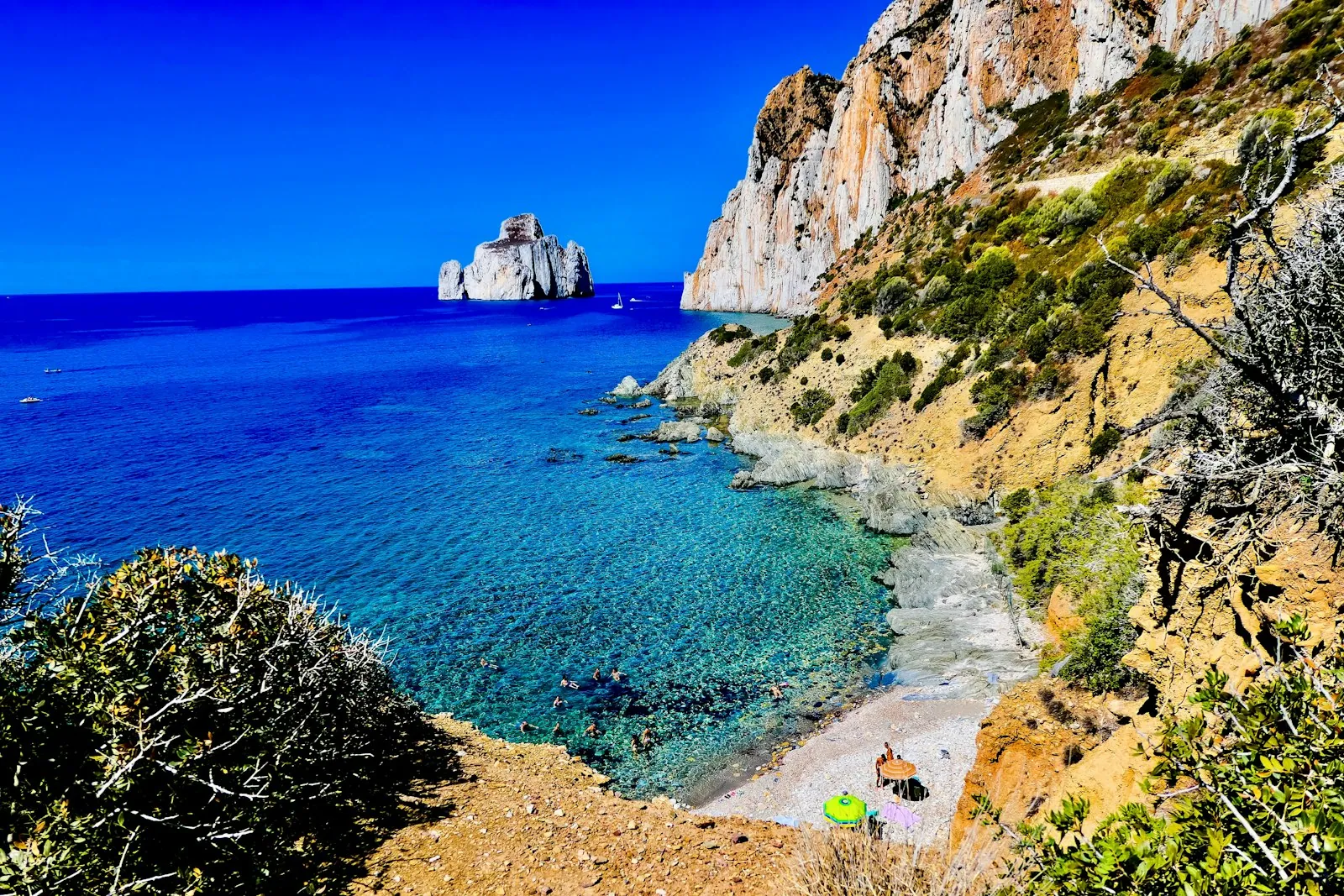
Drive south to the central section of the Costa Brava, around Begur and Palafrugell. This section has the most beautiful small calas on the coast — small rocky coves backed by Mediterranean pine, with crystal-clear water and almost no infrastructure.
Aiguablava, Sa Tuna, and Aiguafreda are three small bays just below the village of Begur. Each has a small beach, a single restaurant or two, and turquoise water. Aiguablava (literally “blue water”) is the most photographed.
A short drive south, Calella de Palafrugell and Llafranc are two small adjacent fishing villages connected by a 1-kilometre clifftop walkway (the Camí de Ronda). Both have white-washed cottages overlooking the water and excellent small restaurants. Calella in particular is often described as the prettiest village on the Costa Brava.
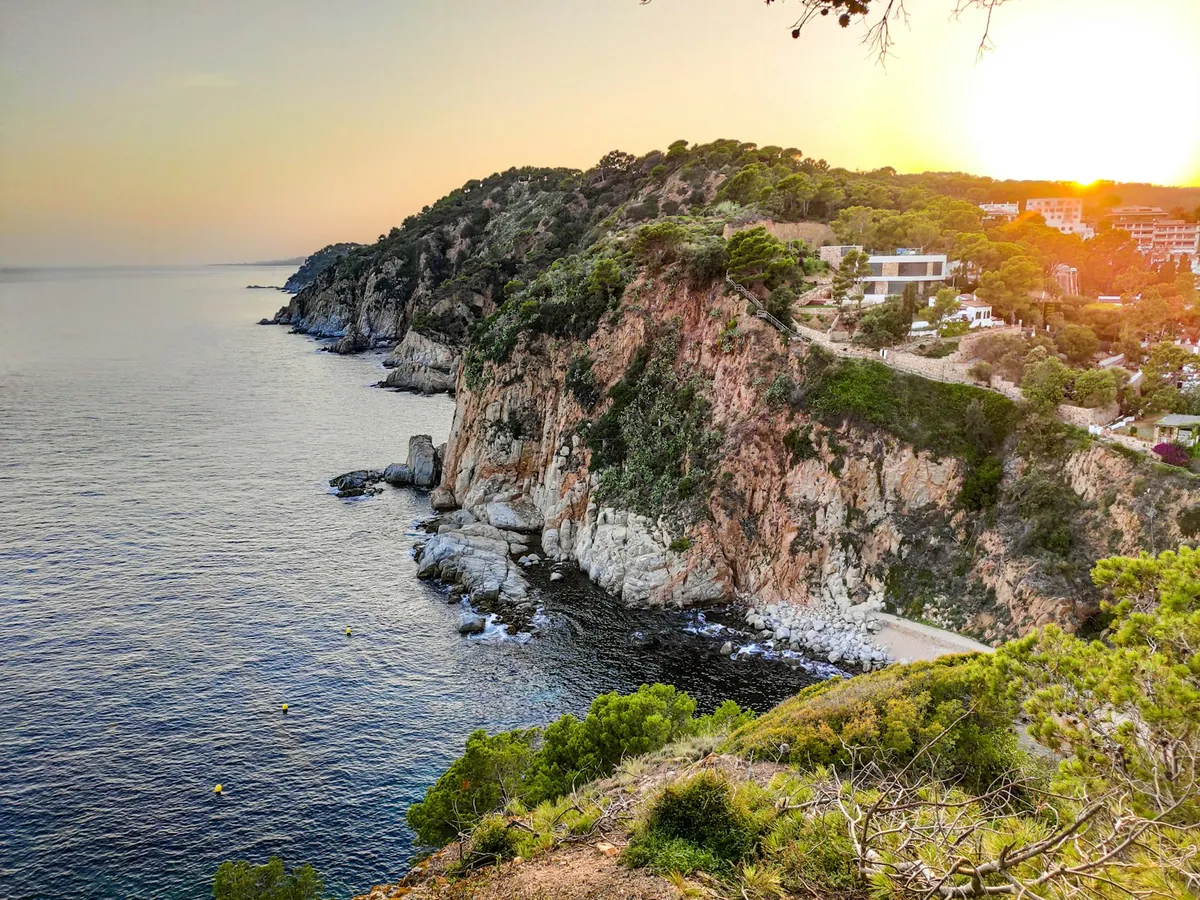
Spend the day moving between two or three of these. Eat lunch at one of the seafront restaurants — Tragamar in Calella de Palafrugell, Sa Tuna in Sa Tuna, or any of the small bistros in Llafranc. Swim. Walk the Camí de Ronda — the long-distance coastal path that runs all along the Costa Brava, with the central section between Llafranc and Tamariu being one of the most spectacular stretches.
Stay overnight in Begur (the small medieval village on the hill above the calas, with several small hotels and excellent restaurants — Toc al Mar, Es Portal). Or in Calella de Palafrugell or Llafranc on the seafront.
Day three: Tossa de Mar and the southern coast
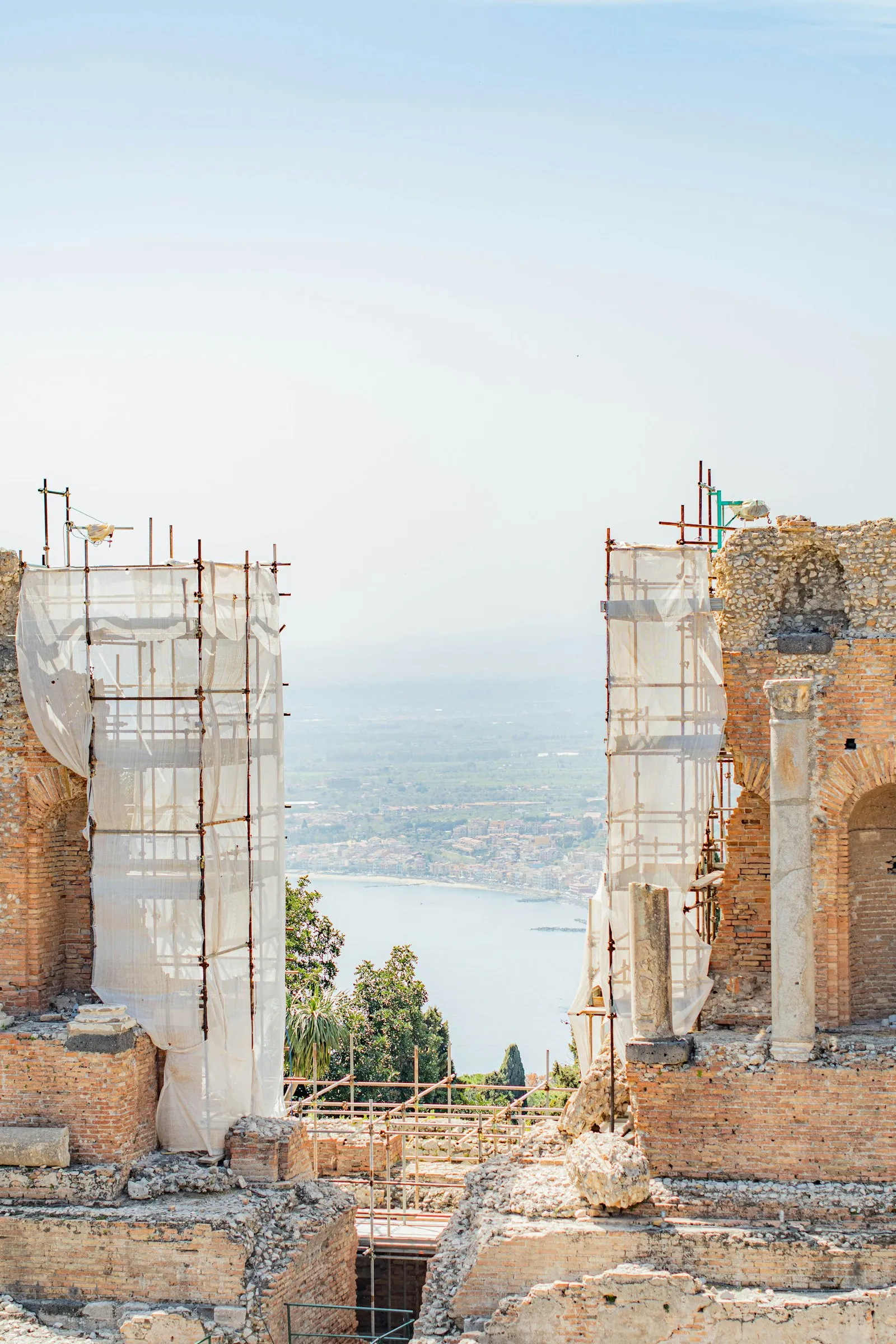
Drive south to Tossa de Mar. Tossa is a small seaside town of about 6,000 people, but it has the only fully preserved medieval coastal fortification in Catalonia — the Vila Vella, a 12th-century walled upper town on a headland between two beaches, with five towers and a complete circuit of walls. Walking the walls and the small old streets within them is the experience. The Vila Vella also houses a small archaeological museum and the ruins of a Gothic church with sweeping views back across the main beach (Platja Gran).
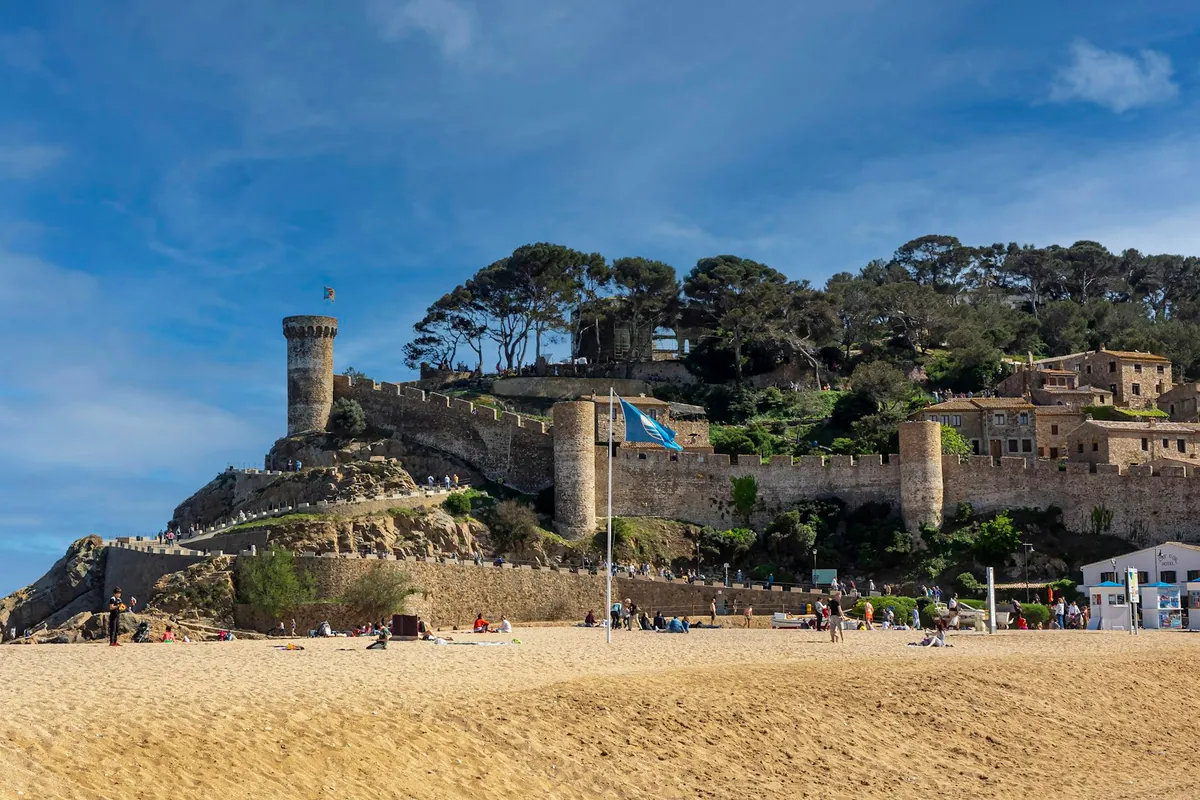
Spend a long lunch on the seafront. Eat at one of the bistros in the old town. The local seafood — particularly the suquet (a Catalan fish stew) — is excellent.
In the afternoon, swim at Cala Pola or Cala Bona (small calas just north of Tossa, accessible by a short drive or a longer walk along the Camí de Ronda).
If you have time in the late afternoon, drive 30 minutes inland to the small medieval village of Pals — one of the prettiest restored medieval villages in Catalonia, on a hill in the rice-growing plain inland from Begur. A 45-minute walk through the small old town and a coffee at one of the cafes.
End the day with one final seafront sunset and the slow drive back to Barcelona or Girona.
How nice are people on the Costa Brava?
Catalan-warm and slightly slower than Barcelona. The small towns of the Costa Brava have long since adapted to summer tourism but the local culture is intact, particularly outside the high-summer months. Within three days I had: a Cadaqués cafe owner walk me to the small bookshop he thought I’d like better than his own; a Begur restaurant manager send out a complimentary glass of cava as a “welcome to Catalunya” gesture when she heard I was visiting from far away; and a small museum guide in Tossa de Mar extend his afternoon to walk a small group of us around the Vila Vella walls on a tour that wasn’t officially scheduled. The friendliness is real and quite generous.
If you go
• Hire a car. Public transport doesn’t reach the small calas. • Visit between May and June or September to October. July and August are crowded. • Book the Dalí house weeks in advance — entries are limited. • Walk the Camí de Ronda — the coastal path is the bonus that almost no day-tripper sees. • Eat the local seafood and the Catalan rice dishes (arroz negro, arroz a banda).
The Costa Brava is the bit of Spain that Catalans save for their own holidays. Three days here will give you Cadaqués, the central calas, and Tossa de Mar. You leave already mentally booking a return for August.