Burgundy: Beaune, the Hospices and a Long Lunch in the Vineyards
Three days in the heart of France’s greatest red-and-white wine region — the medieval city of Beaune, the Côte d’Or vineyards, and a hundred small cellar doors.
📍 Beaune, France
Burgundy is the central-eastern region of France that produces, in a 50-kilometre strip of hillside between Dijon in the north and Beaune in the south, some of the most expensive and most coveted red and white wines in the world. The Côte d’Or — the “golden slope” that the wine villages sit on — is small. You can drive the whole length of it in an hour. But the wine villages along it (Gevrey-Chambertin, Vosne-Romanée, Nuits-Saint-Georges, Pommard, Volnay, Meursault, Puligny-Montrachet, Chassagne-Montrachet) read like a who’s-who of Burgundian appellations, and the small wine plots between them — some of them barely larger than a backyard — produce wines that sell at auction for four-figure prices per bottle.
The wonderful thing is that, despite all this, Burgundy is also a region you can visit for three days on a normal budget, drink genuinely excellent wines at cellar doors for €20 a bottle, and eat one of the best regional cuisines in France in friendly small bistros. The trick is to base in Beaune — the medieval wine capital of the southern half of the Côte d’Or — and to drive the small roads.
The setup
TGV from Paris (Gare de Lyon) to Dijon, then a 25-minute regional train south to Beaune. Or fly into Lyon and drive 2 hours north. Hire a car in Beaune for the second and third days — the village circuit needs wheels.
Stay in central Beaune. Mid-range hotels run €130–250 a night; the Hostellerie de Bretonnière and Le Cep are reliable. The destination hotel is the Hostellerie de Levernois (relais & châteaux, 10 minutes outside town), but its restaurant is the bigger draw than the rooms.
Day one: Beaune
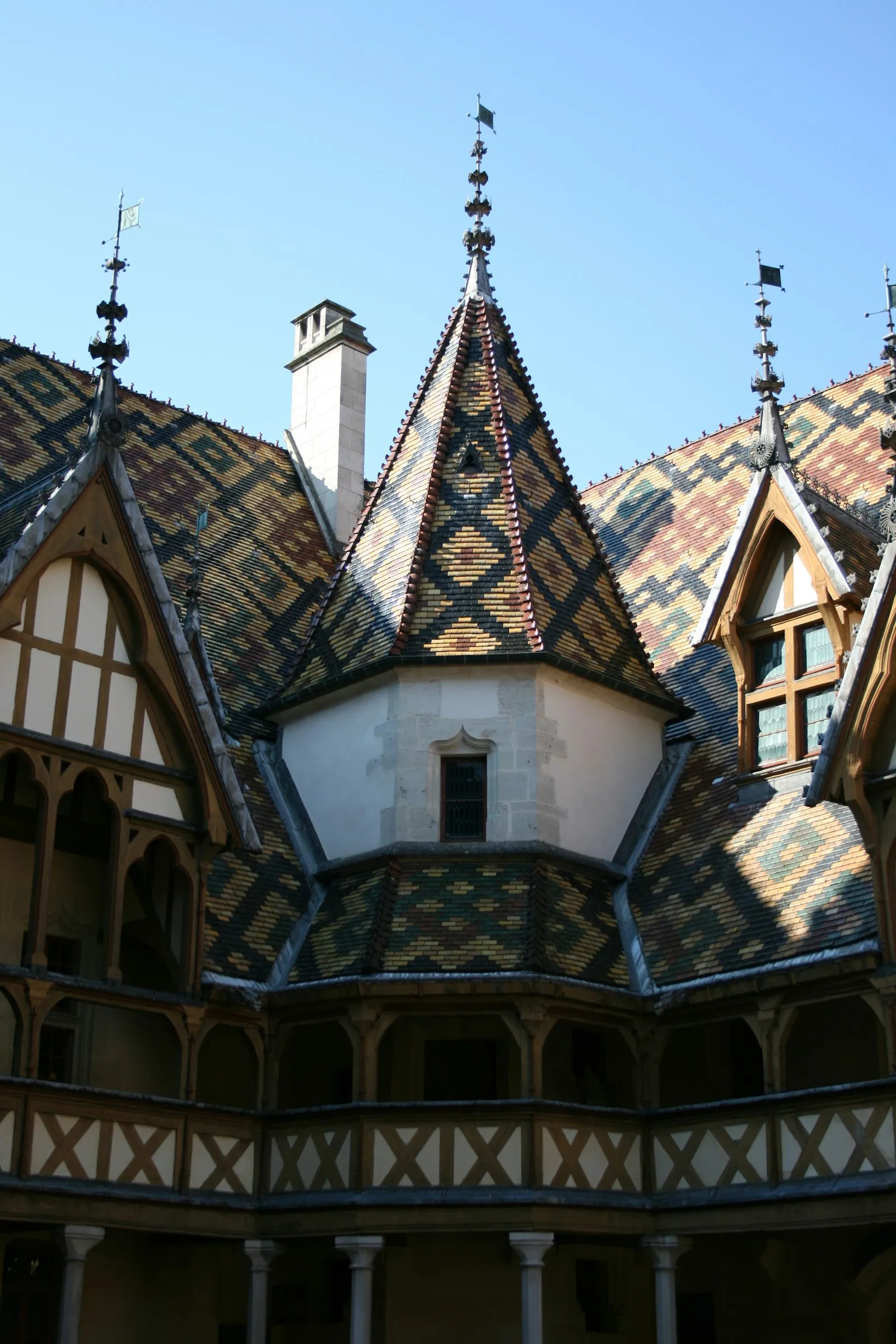
Beaune is a small medieval city — population about 22,000 — encircled by mostly-intact 15th-century walls and centred on the famous Hospices de Beaune (Hôtel-Dieu), a hospital founded in 1443 by Nicolas Rolin, chancellor of the Duke of Burgundy. The Hospices is one of the great Gothic-secular buildings in France, with a magnificent multi-coloured glazed tile roof in geometric patterns — the iconic Burgundian roof — that you’ve seen in postcards.
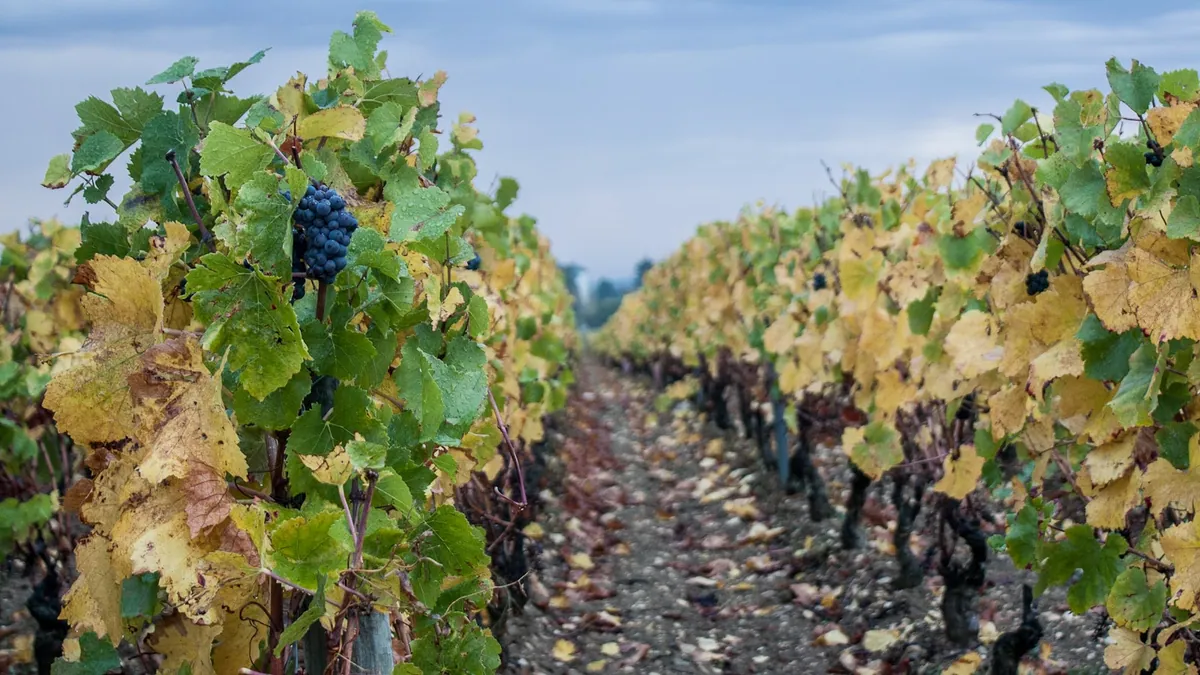
Visit the Hospices. The interior is preserved as it was in the 1700s — a vast vaulted ward with red-curtained beds, a pharmacy with original blue-and-white pottery jars, and the great altarpiece of the Last Judgment by Rogier van der Weyden in a separate chamber. Allow two hours. The annual Hospices wine auction in November is one of the great wine events in the world; the wine sold there comes from vineyards bequeathed to the hospital over the centuries.
Walk the small old town of Beaune. The covered market (Marché des Beaune) on Saturday morning is the local food market and is lovely. The Notre-Dame collegiate church is a beautiful Burgundian Romanesque-Gothic building. The streets around Place Carnot have several wine shops with serious tasting bars (Athenaeum, Cave de Beaune, La Cave de l’Ange Gardien) where you can taste a flight of regional wines for €15–25.
For dinner, eat at one of Beaune’s many excellent bistros. Ma Cuisine, Le Conty, Caveau des Arches, or Le Bistrot Bourguignon are all good. Order boeuf bourguignon (the local stew) or coq au vin (the local rooster-in-wine), with a half-bottle of village-level red.
Day two: the Côte d’Or driving day
Drive the Route des Grands Crus — the small road (D974) that runs along the bottom of the Côte d’Or, threading through the wine villages from Gevrey-Chambertin in the north to Santenay in the south. The road is about 60 kilometres long. You can drive the whole thing in 90 minutes. The point is to stop.
Pick three or four villages. Recommended: Gevrey-Chambertin (in the Côte de Nuits, the northern half, dedicated to red wine — pinot noir; some of the most prestigious vineyards in France are here, including Chambertin itself, Napoleon’s favourite wine); Vosne-Romanée (home to the legendary Romanée-Conti and La Tâche, although you cannot visit those domains without an introduction); Nuits-Saint-Georges (a slightly larger town with several smaller producers who do walk-in tastings); Pommard (in the Côte de Beaune, the southern half, also pinot noir but slightly more accessible than the Côte de Nuits); and Meursault and Puligny-Montrachet (the great white-wine villages, where the chardonnay is grown for some of the most coveted whites in the world).
For walk-in tastings, look for cellar doors that say “Dégustation” in their windows; many small family producers welcome visitors without an appointment. Tastings cost €15–30 for a flight; many waive the fee if you buy a bottle. Prices for everyday Burgundy wines start around €20 a bottle at the cellar door — much less than at retail in any other country.
Have lunch in one of the village restaurants. La Cabotte at Nuits-Saint-Georges, La Bouzerotte at Bouze-lès-Beaune, or Le Charlemagne at Pernand-Vergelesses are all excellent. Burgundy lunches are not quick. Allow two and a half hours and a glass of wine.
Day three: Saint-Romain, the Hautes-Côtes, and Semur-en-Auxois
Day three, escape the famous Côte d’Or and drive west into the Hautes-Côtes — the hill country behind the great vineyards, where the appellations are humbler (Bourgogne Hautes-Côtes-de-Beaune, Bourgogne Hautes-Côtes-de-Nuits) but the wines are excellent and dramatically cheaper, and the countryside is rolling, quiet, and dotted with small medieval villages.
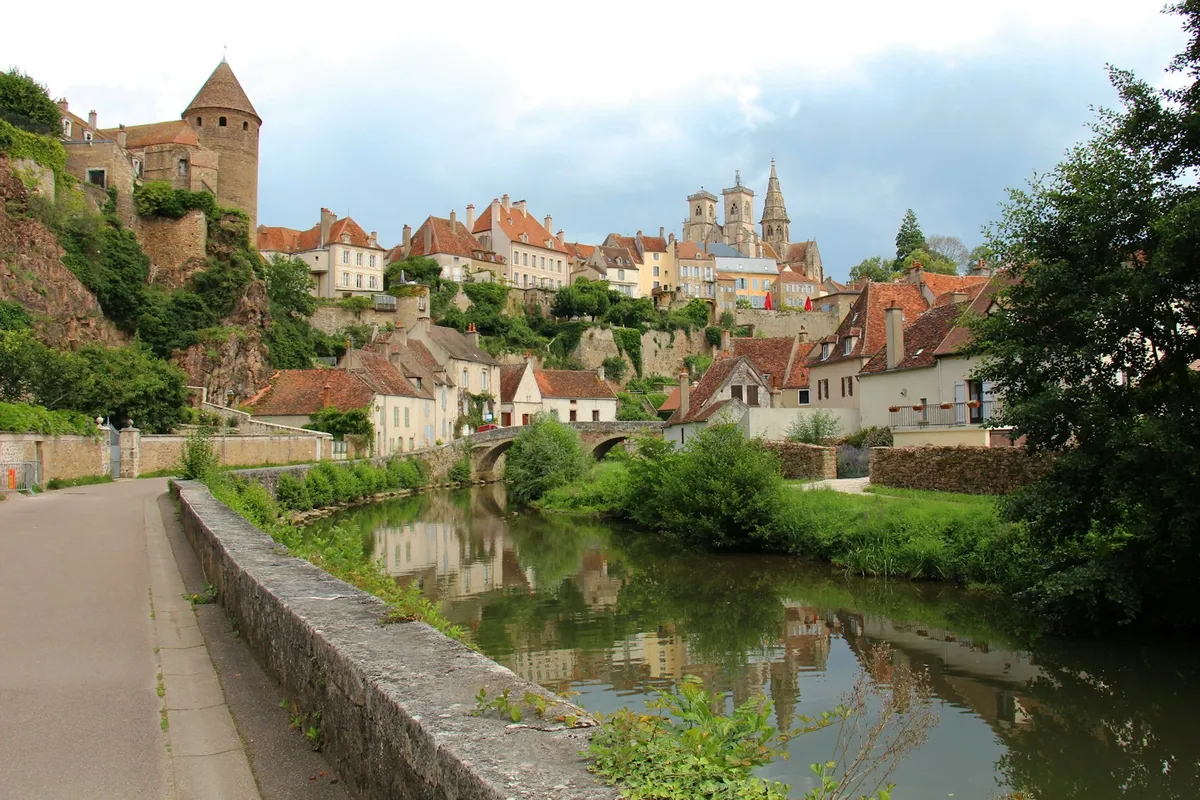
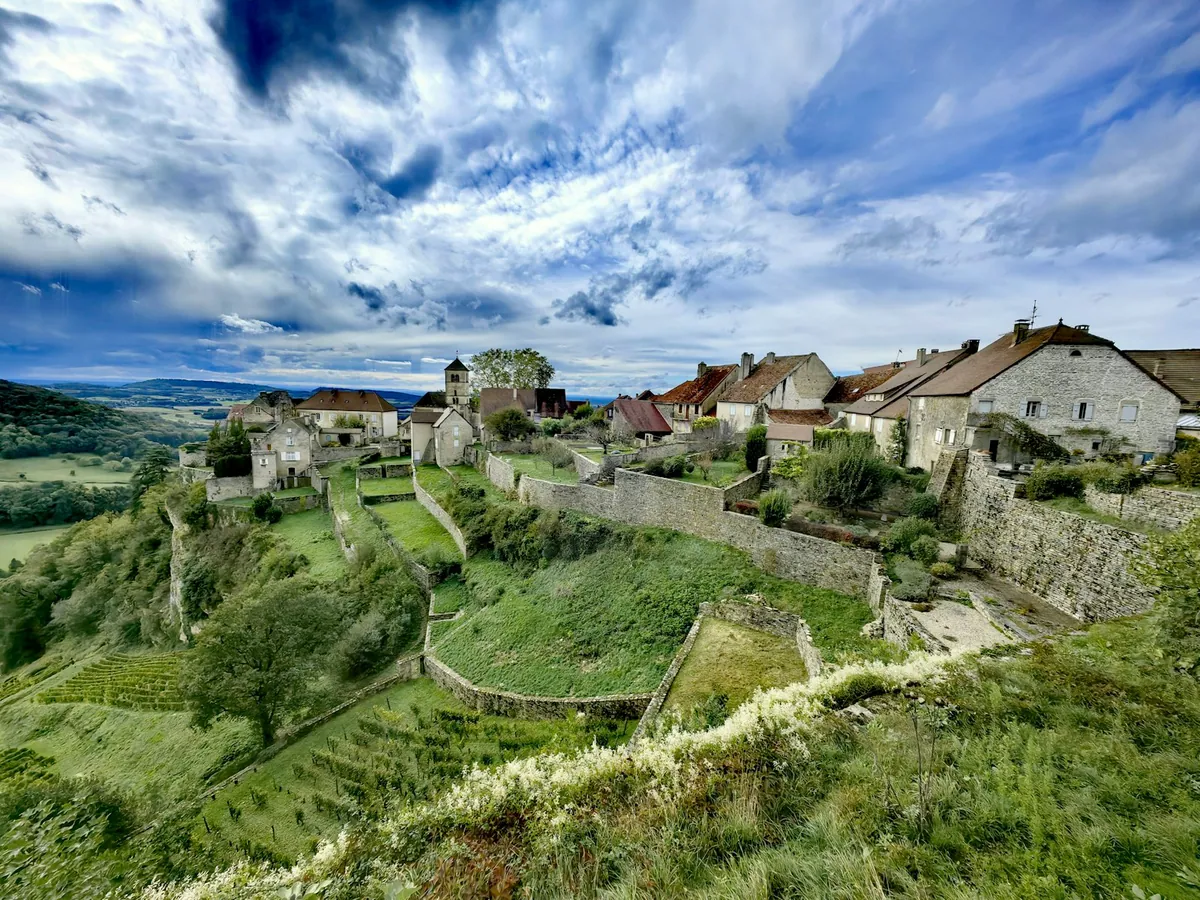
Drive to Saint-Romain — a small village built into a sheltered amphitheatre between two cliffs, with a Romanesque church, a tiny old town, and several producers who do excellent Hautes-Côtes wines. Then push on to Semur-en-Auxois, an hour west — a stunning fortified medieval town built on a granite cliff above the Armançon river, with four stone towers and a perfectly preserved Old Town. It’s one of the most photogenic small towns in France and almost no one visits. Eat lunch on the river. Walk the ramparts. Buy a small bottle of crème de cassis (the blackcurrant liqueur made in Dijon) at one of the village shops to take home.
In the afternoon, drive back to Beaune via Châteauneuf-en-Auxois — another tiny hilltop fortified village, listed as one of the “most beautiful villages of France,” worth a 30-minute stop and a coffee.
End the day at one of Beaune’s wine bars for a final tasting. Catch the morning TGV back to Paris.
How nice are Burgundians?
Quietly nice — proud of their wine in a particular way that is generous to anyone who shows real interest. My three days included: a winemaker at a tiny Pommard producer give me an extra hour of his time after his other appointment cancelled, walking me through three vintages of his grand cru that he wouldn’t let me pay for; a bistro owner in Beaune lend me her umbrella when it started raining and I had walked there without one; and a cellar door host in Vosne-Romanée tell me, very seriously, that I should always buy at least one bottle from each producer who pours for me — “not for the money, for the relationship.” Burgundy operates on relationships. So does the wine.
If you go
• Stay in Beaune. It’s the right base for the entire region. • Hire a car for the village days. The Côte d’Or doesn’t do public transport. • Don’t drink-drive. The local police take it seriously and rightly. Spit at the tastings, or use a driver. • Eat the local food. Boeuf bourguignon, coq au vin, jambon persillé, escargots, and the local cheeses (Époisses, Soumaintrain, Chaource). • Don’t expect to taste at the most famous estates without a serious introduction. The smaller and lesser-known producers will pour you wines at their cellar door that, in a different country, would sell for three times the price.
Burgundy is the part of France that wine people save for their best wine trip. Three days here will give you the medieval city of Beaune, the Côte d’Or villages, and several extraordinary wines for the cellar at home. You leave more affectionate about pinot noir and chardonnay than you have ever been. Plan accordingly.