Bordeaux and Saint-Émilion: Three Days in France’s Greatest Wine Country
Three days drinking and walking through Bordeaux — the city, the vineyards, and the medieval village built on a wine slope.
📍 Bordeaux, France
Bordeaux has, for years, suffered from the world’s laziest assumption — that it’s a city about wine and nothing else. The wine is, in fact, world-class. The surrounding region is one of the most important wine regions on Earth. The châteaux you have heard of (Lafite, Latour, Mouton, Margaux, Cheval Blanc, Pétrus) all sit within an hour of the city. But Bordeaux the city is also one of the loveliest urban centres in France — UNESCO-listed, beautifully restored after a long period of decline, walkable, full of small restaurants, and now connected to Paris by a 2-hour TGV that means you can have lunch in the centre of one and dinner in the centre of the other. You can spend three days in Bordeaux and barely scratch its surface, but three days is enough to understand why the wine snobs have been quietly recommending the city as a long-weekend trip for the last decade.
Three days. One in the city, one in Saint-Émilion, one half-and-half. Here’s how.
The setup
TGV from Paris (Gare Montparnasse) to Bordeaux Saint-Jean takes 2 hours 5 minutes. Or fly into Bordeaux-Mérignac airport. Stay in the centre of Bordeaux — anywhere within ten minutes’ walk of the Place de la Bourse and the Old Town. Mid-range hotels run €120–200 a night.
You don’t need a car for the city itself. For the day trip to Saint-Émilion, either rent a car, take a train (45 minutes from Bordeaux Saint-Jean), or join one of the many small-group wine tours that depart daily from Bordeaux.
Day one: the city itself
Walk. Bordeaux’s old centre is a UNESCO World Heritage site for a reason — eighteen kilometres of beautifully-preserved 18th-century stone facades along the Garonne river, the broadest urban river quay in France, and a network of small streets behind it that have been painstakingly restored over the last 25 years.
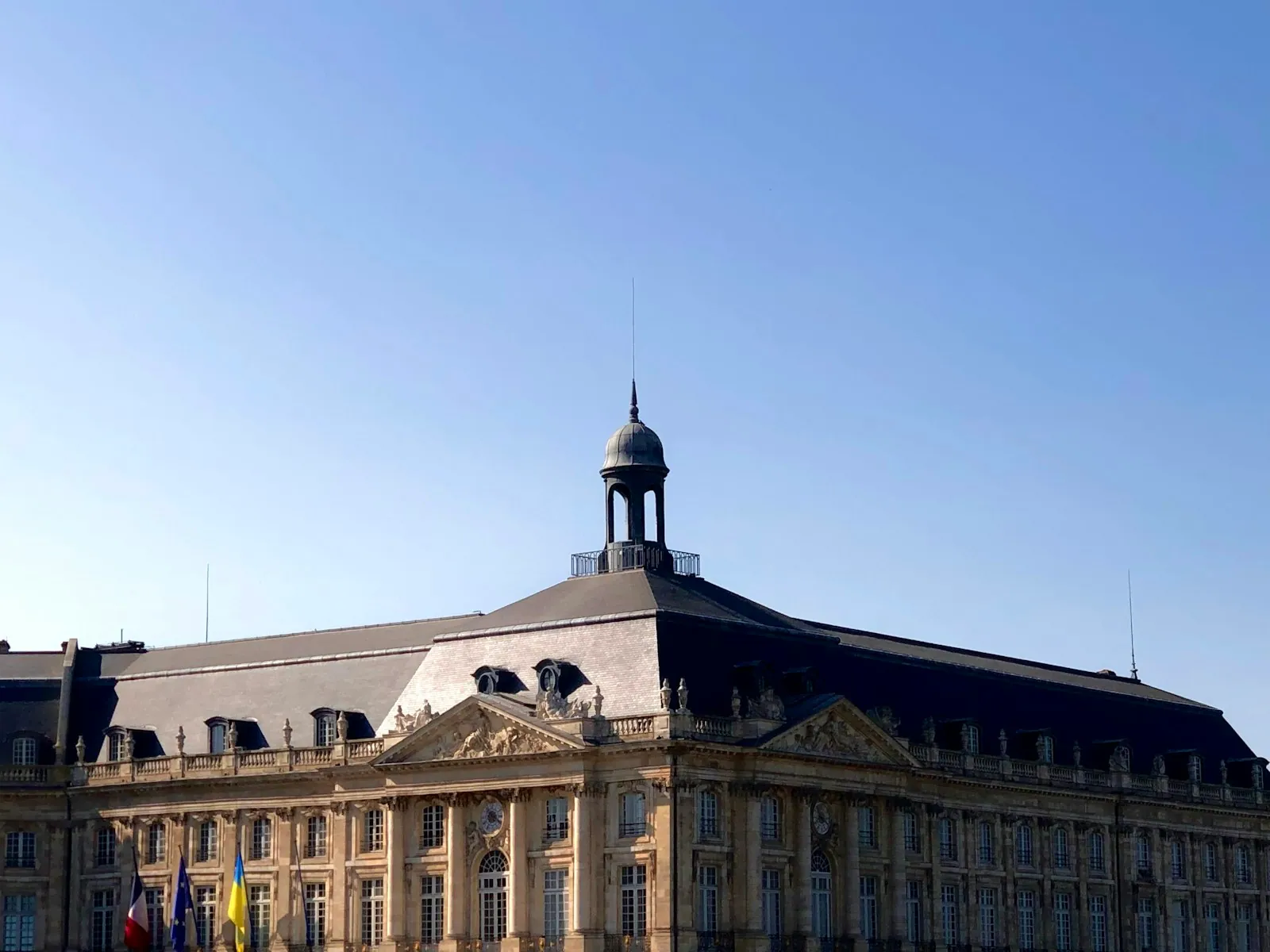
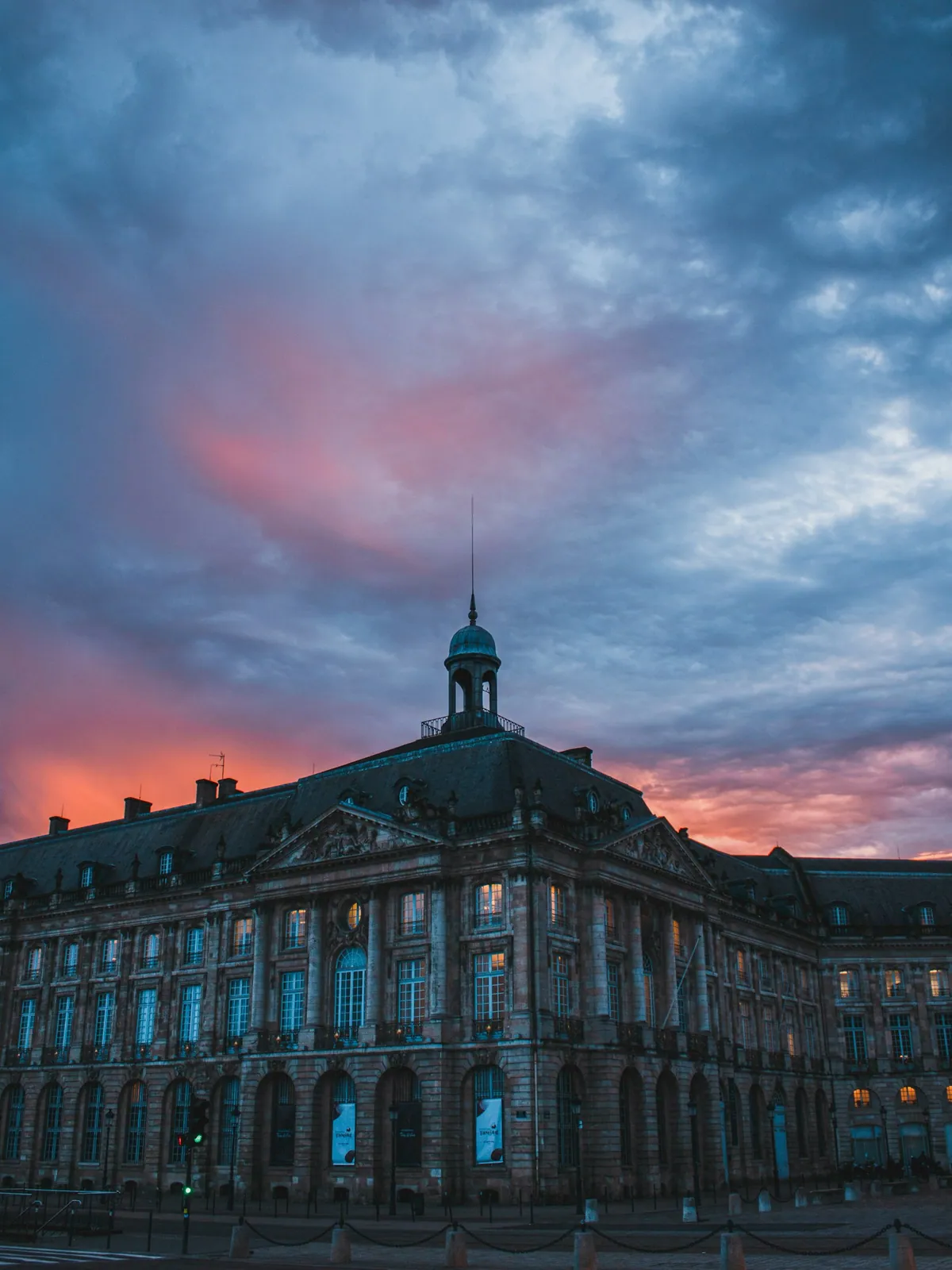
Start at Place de la Bourse — the most famous square in Bordeaux. The reflecting pool in front of it (the Miroir d’Eau, the largest mirror pool in the world) was built in 2006 and is the iconic Bordeaux photograph: the 18th-century stone facade of the Bourse reflected in 2 centimetres of perfectly still water on the cobbled quay. Walk slowly. The reflections are best in the early morning when the surface is unbroken.
From the Bourse, walk north along the river to the Place des Quinconces — one of the largest public squares in Europe — and on to the Cité du Vin, the modern wine museum on the riverbank. The museum is a gleaming gold-and-glass building shaped like a swirl of wine in a glass, opened in 2016, and it’s an excellent introduction to the wines of the world (not just Bordeaux). The visit ends with a glass of wine on the rooftop with views over the city. Allow two and a half hours.
In the afternoon, walk through the Old Town. The Saint-André Cathedral is the spiritual heart of medieval Bordeaux, and the Pey-Berland tower next to it gives you the best panoramic view of the city for the price of a 200-step climb. The streets behind the cathedral — Rue Sainte-Catherine and the smaller streets to the east — are pedestrianised and full of shops, cafes, restaurants, and the famous canelés (the local pastry, a small ridged custard cake with a caramelised crust) at Baillardran or La Toque Cuivrée.
End the day with dinner at one of the small bistros around Place du Parlement or Rue Saint-James. Bordeaux’s food scene has caught up with its wines in the last decade, and a €40 set menu in a neighbourhood bistro will eat as well as anywhere outside Lyon.
Day two: Saint-Émilion
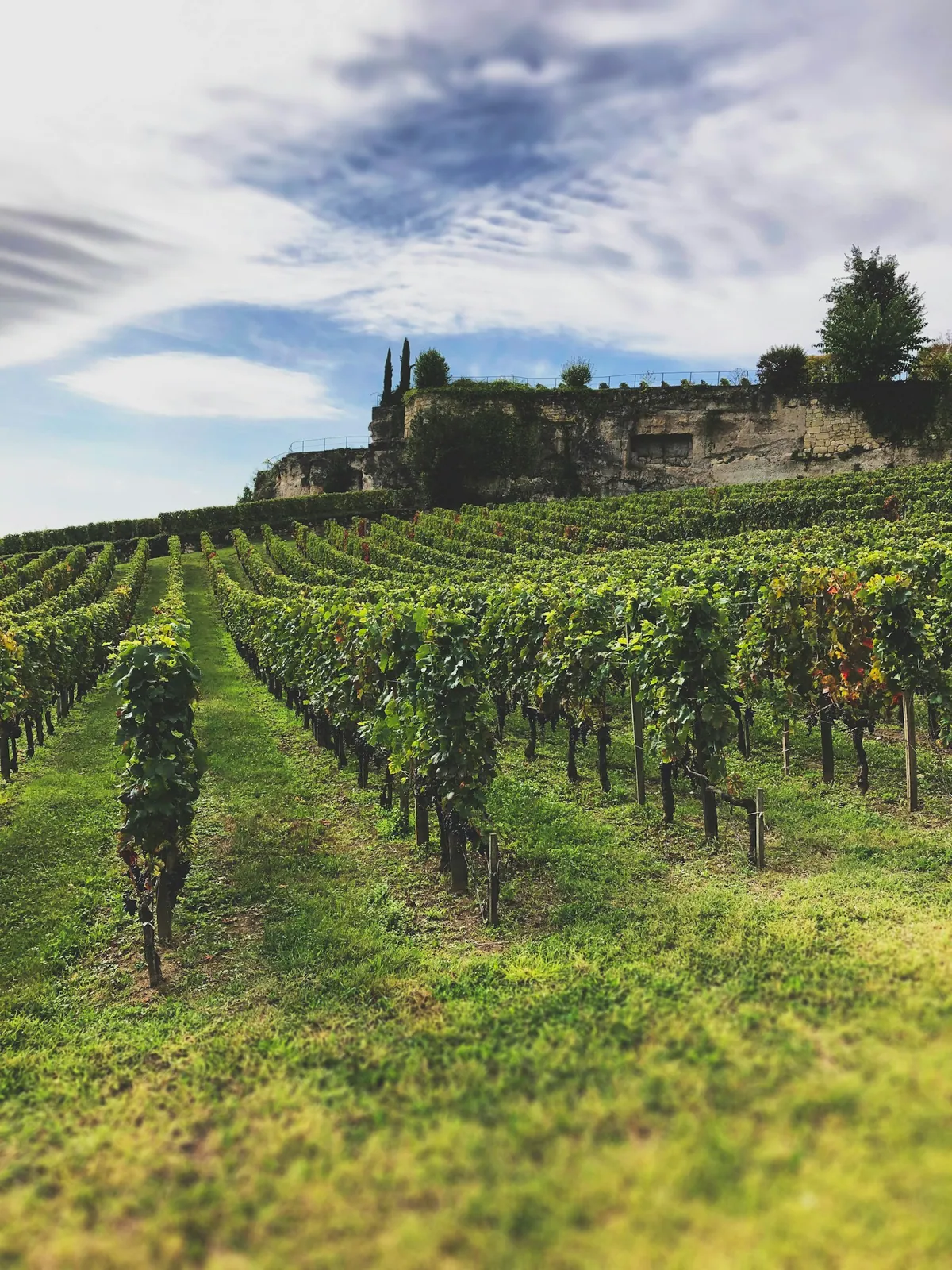
Saint-Émilion is forty minutes east of Bordeaux by car or train, and it is one of the most beautiful small wine villages in France. The village itself is medieval — built into a limestone hillside, with steep cobbled streets, a vast underground monolithic church carved out of the rock in the 11th century, and a clocktower at the top with views across the surrounding vineyards. The wine is famous; the village is also lovely on its own merits.
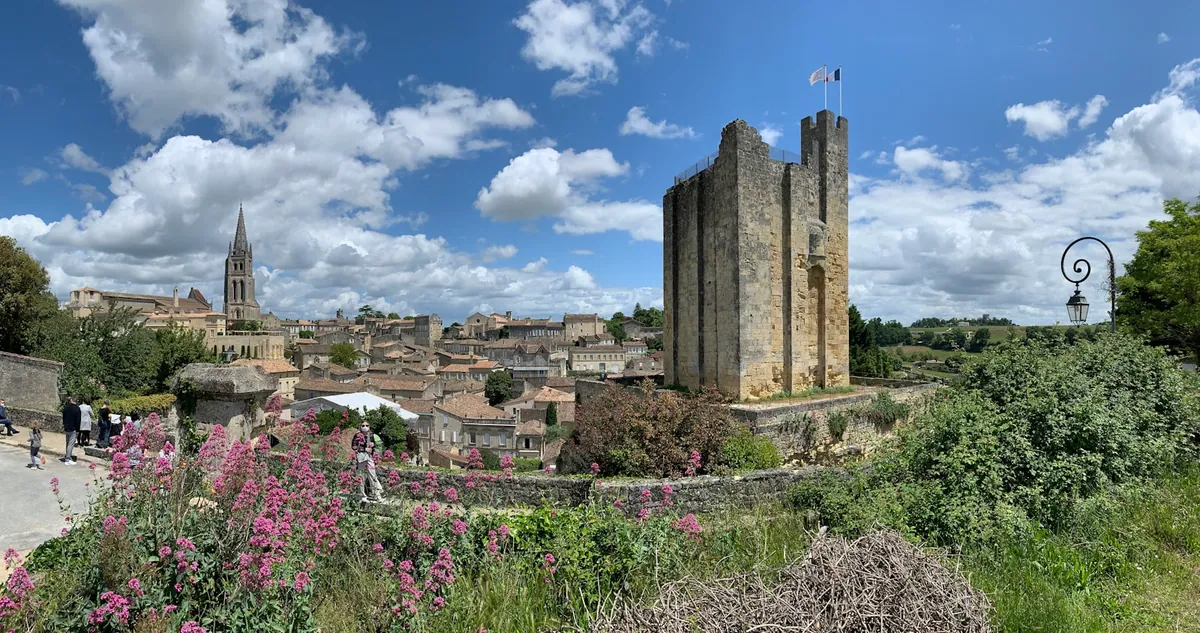
Park (or arrive at the train station, which is a 20-minute walk down to the village). Start at the tourist office and book the underground monolithic church tour — it leaves on the hour, lasts 45 minutes, and is the unmissable cultural sight of the village. The church was carved out of solid rock by hand in the 11th and 12th centuries; it’s one of the largest underground churches in Europe.
After the tour, walk the village. Buy a wine flight at one of the small bars (Vinosity, L’Envers du Décor, Le Tertre). Lunch at one of the bistros. Climb the bell tower for the panoramic view — you can see vineyards stretching to the horizon in every direction, broken only by the spires of small chateaux.
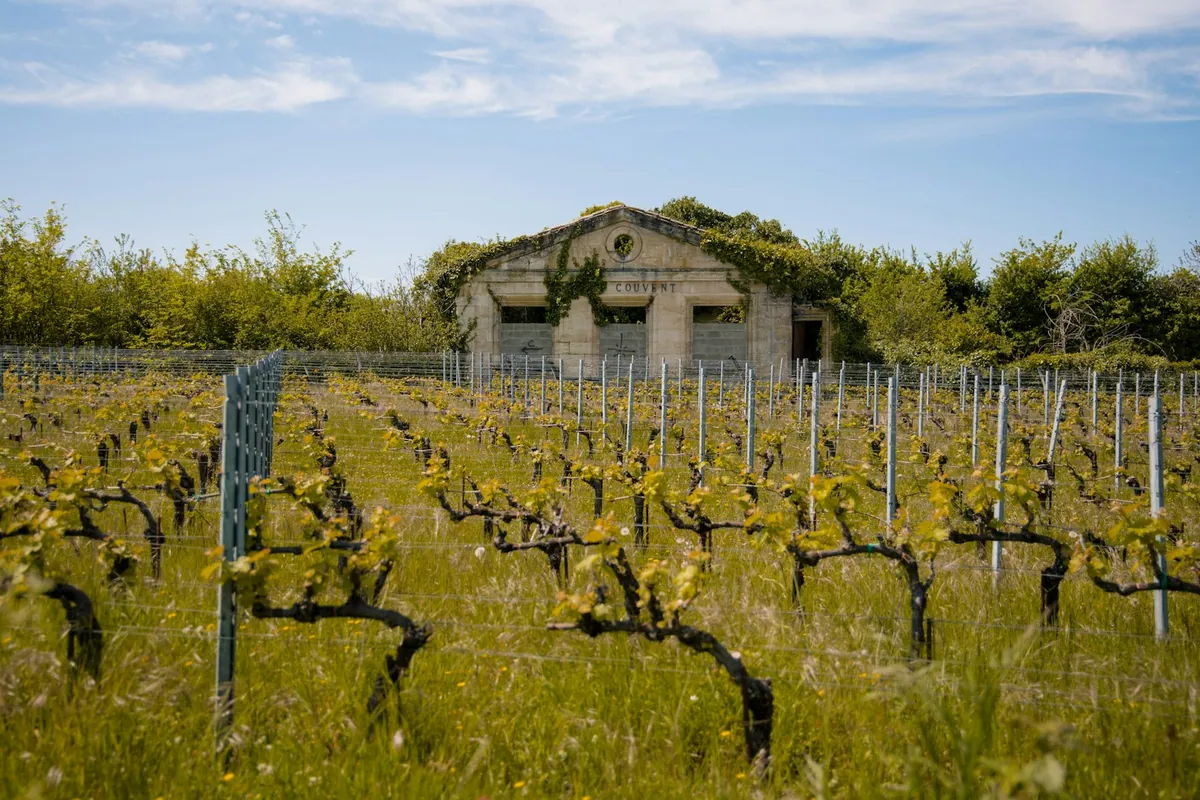
In the afternoon, visit one or two châteaux on the surrounding slopes. Many of the smaller estates take walk-in visitors with no booking; the bigger Grand Cru classified estates require booking ahead. Château Soutard, Château La Dominique, and Château Couvent des Jacobins are all good options for a first wine visit. Cost: €15–30 per person for a tour and a tasting of three or four wines.
You can also book one of the all-day Saint-Émilion bus tours from Bordeaux that include three or four chateau visits, lunch, and the village. Cost: around €100. Worth it if you want a structured day with a guide and don’t want to drive.
Day three: a half-day in Médoc, then a slow afternoon
If wine is your thing, day three should be a half-day trip to the Médoc — the famous left-bank red wine region north of Bordeaux, home to Lafite, Latour, Mouton-Rothschild and Margaux. The full Route des Châteaux drive takes you past the most famous estates in the world; most of them require booking weeks ahead for visits, but a few of the smaller cru bourgeois estates take walk-ins.
If wine isn’t your thing, spend day three on Bordeaux’s southern half. The Quartier Saint-Pierre south of the cathedral is the oldest part of the city and full of small cafes. The Capucins market in the morning is the best fresh market in Bordeaux. Have lunch at one of the food stalls in the market — the oysters here are extraordinary (Bordeaux is an hour from the Arcachon Bay oyster beds).
In the afternoon, walk along the river one last time. Cross the Pont de Pierre at sunset for the postcard view back to Place de la Bourse and the Old Town golden in the late light.
How nice are Bordelais?
Provincial-French nice — slightly more reserved than the south, slightly more formal than Paris, but warm once you’ve been there a day. My three days included: a wine cellar owner in Saint-Émilion sit me down with three glasses she hadn’t charged me for because she wanted to teach me the difference between merlot from the limestone slopes and merlot from the gravel slopes; a market vendor at the Capucins push an extra dozen oysters into my order because “these are too small to sell at full price, take them”; and a hotel concierge book me a last-minute dinner reservation at a place I hadn’t known about, and tell me how to pronounce the menu items before I went.
If you go
• Stay central. Everything in Bordeaux is walkable from the Place de la Bourse area. • Don’t skip Saint-Émilion. It’s the day-trip that earns the trip. • Book chateau visits ahead, especially in Médoc. • Eat the canelés. At least once. Probably twice. • Drink white as well as red — the Pessac-Léognan whites and the Sauternes dessert wines are world-class and underrated.
Bordeaux is the bit of France that quietly rewards anyone who takes wine seriously, and rewards anyone who takes architecture or food or river-quay strolling seriously almost as much. Three days will leave you wanting four. Plan accordingly.