Barcelona in Five Days: Sagrada Família, Park Güell and the Gothic Quarter
Five days in the city Gaudí built for himself — Modernist temples, medieval alleys, and the long lunch culture that ruins you for everywhere else.
📍 Barcelona, Spain
Barcelona is the Catalan capital of Spain, the country’s second-largest city, and arguably the most architecturally distinct city in southern Europe. It was the canvas for Antoni Gaudí — the wildly inventive architect whose Sagrada Família basilica, finally close to completion after 142 years of construction, has been changing the skyline since 1882 — and it remains the canvas for a generation of architects, designers, and chefs who took the Olympic Games of 1992 and used them to push the city into a position as one of the great urban-design success stories of the 20th century. The Gothic Quarter at the city’s heart predates Gaudí by seven hundred years; the beach was largely built to host the Olympic sailing; the food has always been good and is now, in the right kitchens, world-class. Five days in Barcelona will show you what one city can be when it gets a thousand things right at once.
The setup
Fly into Barcelona-El Prat (15 minutes by Aerobus into the centre). Stay in the Gothic Quarter, the Born district, or the Eixample for the best central walking access. Mid-range hotels run €120–250 a night. Avoid August if you can — the heat is real and many of the best small restaurants close.
The metro is excellent and cheap. Get a T-Casual (10 rides for about €12). Walk where you can.
Day one: the Gothic Quarter and La Rambla
Land. Drop your bag. Walk into the Gothic Quarter (Barri Gòtic) — the medieval heart of the city, a tight grid of narrow alleys and tiny squares between Plaça de Catalunya and the harbour. The cathedral (Catedral de Barcelona, 13th–15th century, Gothic) is the visual centre; the Plaça del Rei behind it is one of the most atmospheric medieval squares in Europe; the small streets in between are full of cafes, hidden churches, and tiny boutiques.
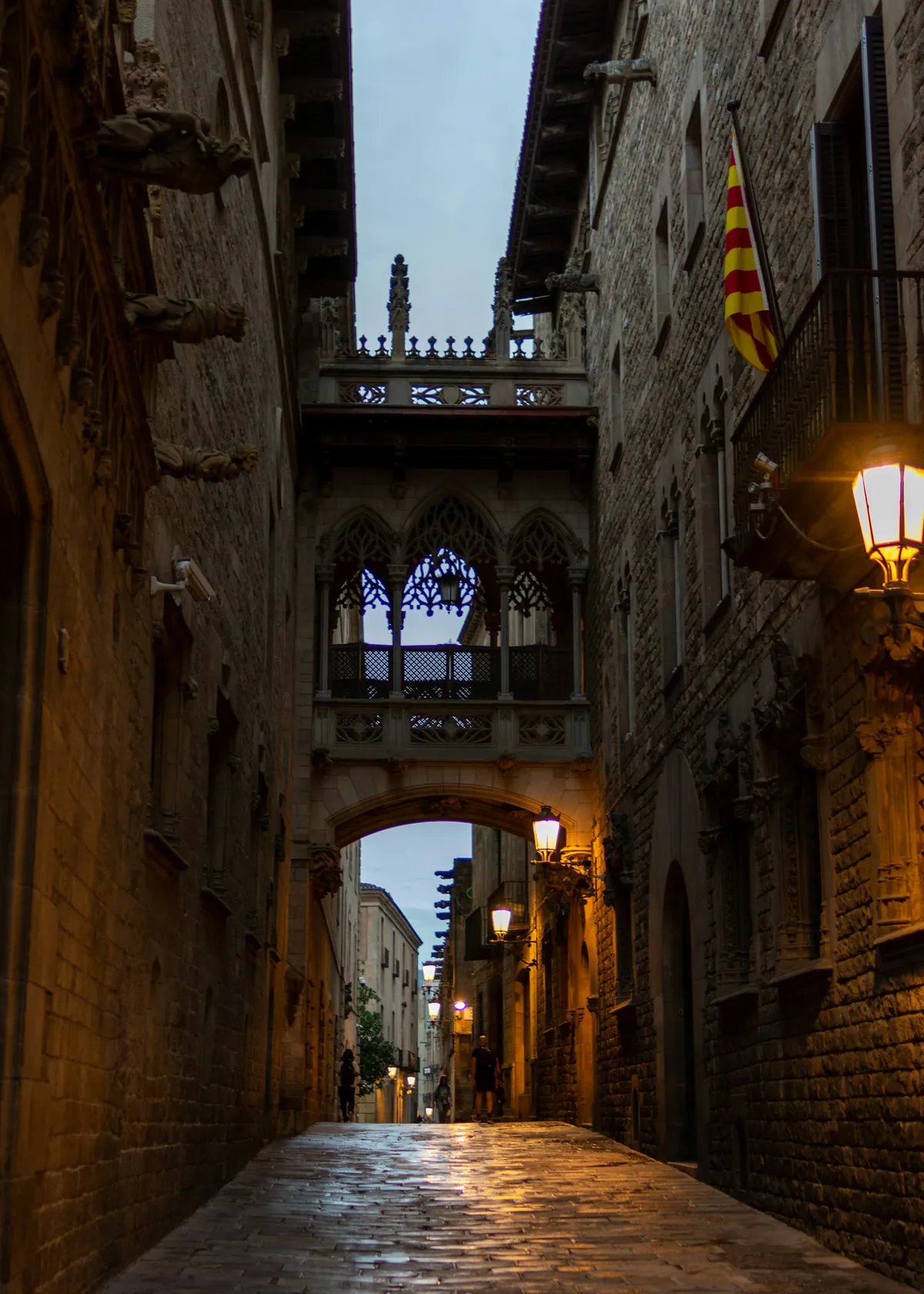
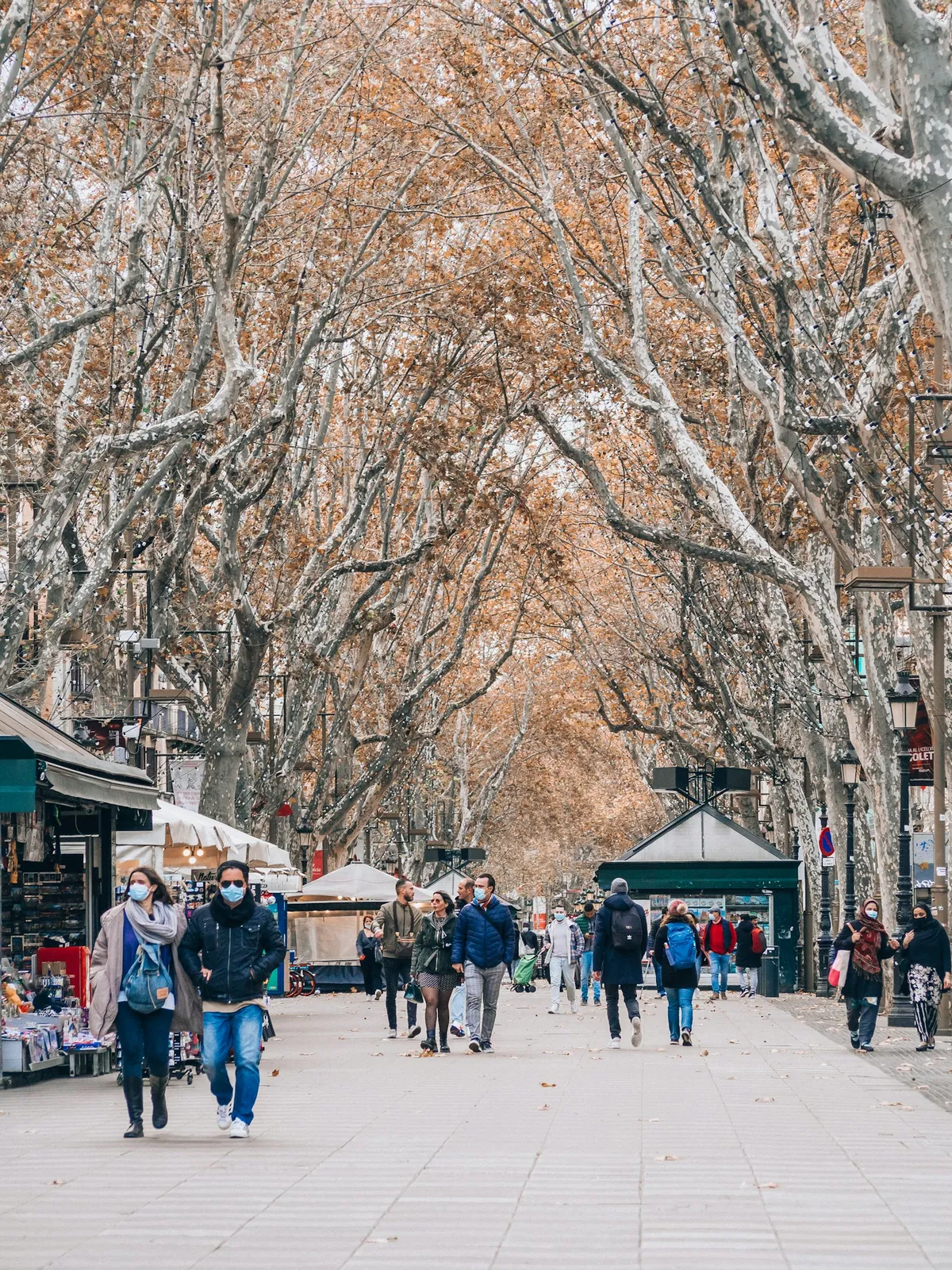
Walk slowly. Get lost. Stop at a small bar for a glass of cava and a plate of pa amb tomàquet (the simple Catalan classic — bread rubbed with tomato, olive oil, garlic, salt — which sounds humble until you eat it properly). Go via Plaça Reial (a beautiful 19th-century palm-tree square just off La Rambla) and out to La Rambla itself, the famous boulevard that runs from Plaça de Catalunya down to the sea. La Rambla is touristy. La Rambla is also the social spine of the city. Walk it once for the experience, and don’t buy anything from the kiosks.
Halfway down La Rambla, duck into the Mercat de la Boqueria — the city’s great covered market, opened in 1840, still serving Barcelonans. Eat lunch at one of the counter bars (Bar Pinotxo and El Quim de la Boqueria are the famous ones) — fresh fish, jamón, anchovies on bread, a glass of vermouth.
End the day at the beach. The Barceloneta and Port Olímpic beaches are 15 minutes’ walk south of La Rambla. Have an early evening swim if it’s warm enough; have an early evening drink at one of the chiringuitos (beach bars) on the sand if it isn’t.
Day two: Sagrada Família and the Eixample
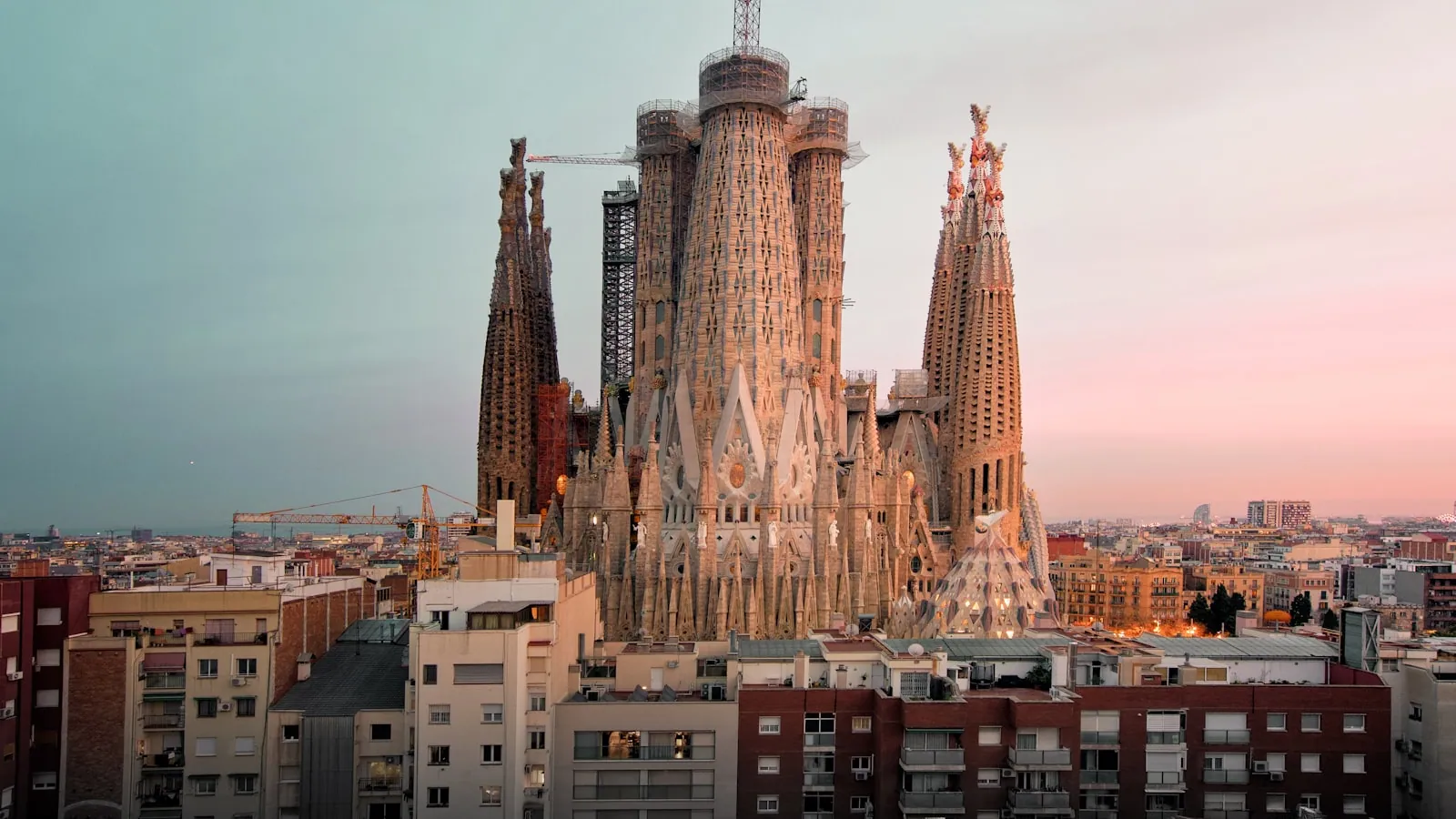
Sagrada Família is the must-do. Antoni Gaudí’s unfinished basilica — begun in 1882, taken over by Gaudí in 1883, still under construction (with completion targeted for the centenary of his death in 2026) — is one of the most extraordinary buildings on Earth. The exterior is overwhelming: three facades (the Nativity Facade, finished by Gaudí before his death; the Passion Facade, finished in the 1980s in a starkly different style; the Glory Facade, still being built). Eighteen towers planned, eight already complete.
The interior is the surprise. You walk in expecting Gothic gloom, and instead the soaring forest of branching stone columns and the vast stained-glass walls flood the nave with green, blue, gold and red light. It is genuinely breathtaking. Buy a ticket online days in advance (the basilica gets 4.5 million visitors a year and walk-up entry is impossible). Cost: about €25 for general entry, €40 with tower access. Audio guide is included.
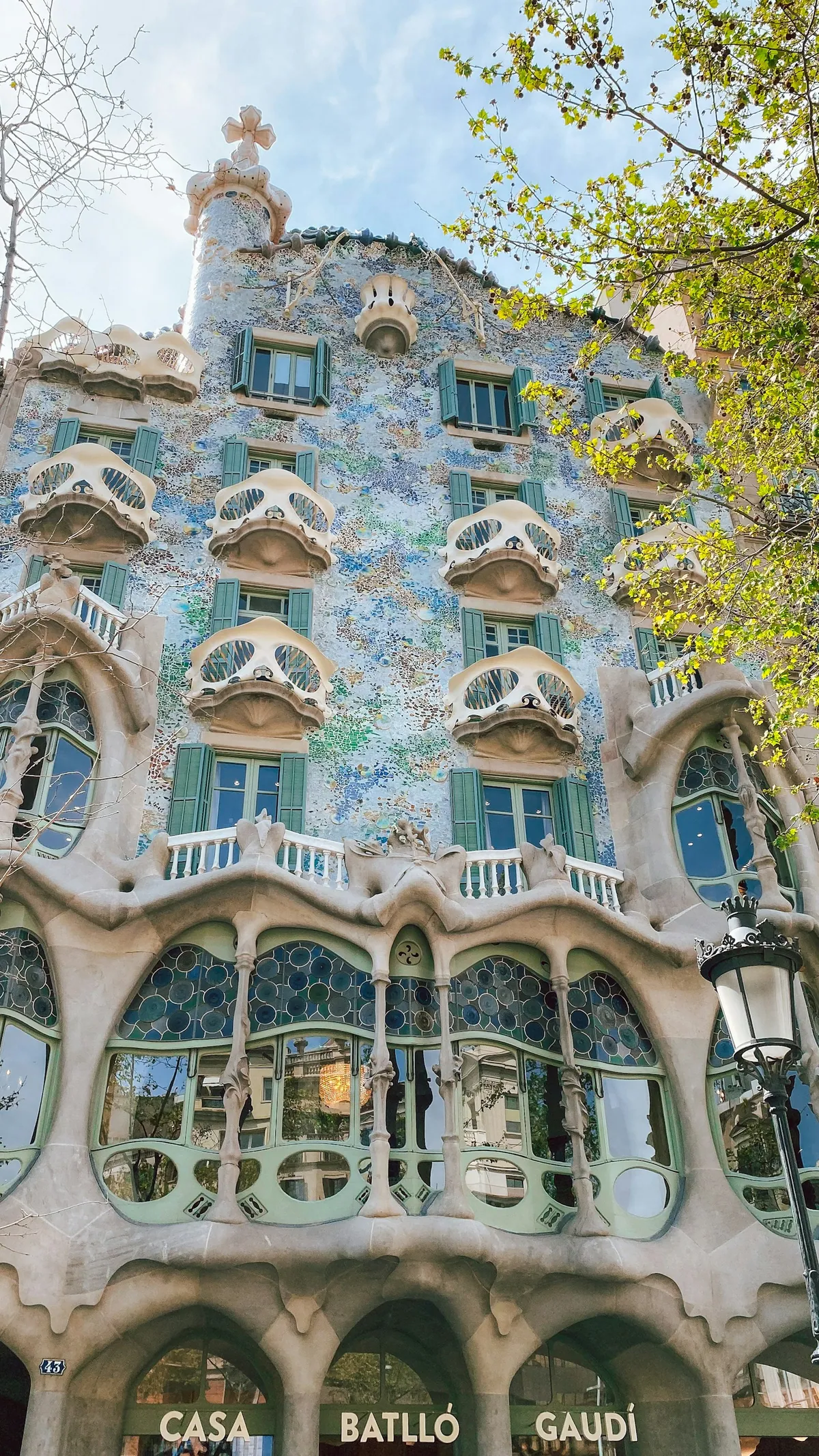
Allow ninety minutes inside. Then walk south through the Eixample — the broad 19th-century grid of L’Eixample, planned by Ildefons Cerdà in 1859 with octagonal city blocks (the cut corners create small triangular open spaces at every intersection — the city’s small civic genius). The Passeig de Gràcia, the main boulevard, has the great Gaudí domestic buildings: Casa Batlló (the colourful “house of bones,” 1904) and Casa Milà / La Pedrera (1906). Both can be visited. Pick one — Casa Batlló is the more visually spectacular, La Pedrera has the more dramatic rooftop with its sculpted chimneys.
For dinner, eat tapas. The standard pattern is to wander between several small bars rather than committing to a single sit-down restaurant. Cal Pep, El Xampanyet, Bar del Pla (all in the Born neighbourhood) are reliable; the Eixample has dozens more.
Day three: Park Güell and the hill of Montjuïc
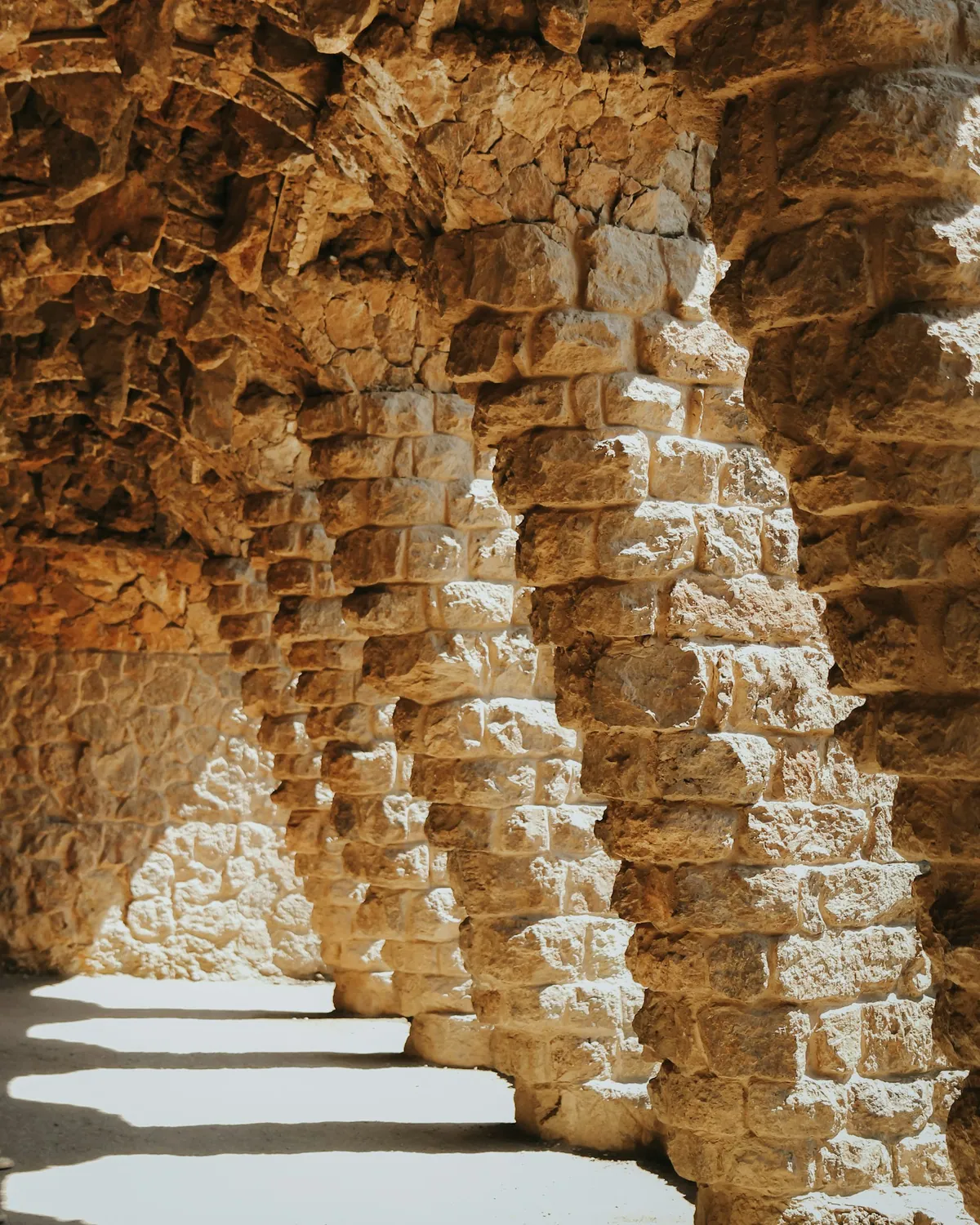
Park Güell is Gaudí’s public park on the northern hillside above the city — a 1900–1914 Modernist garden of mosaic-covered terraces, a famous serpentine bench overlooking the city, organic stone columns, and the iconic dragon staircase. It’s the second-most photographed Gaudí site after Sagrada Família. Buy a timed-entry ticket online (about €10) — the central monumental zone requires it.
Allow two hours. Take the metro back into the centre.
In the afternoon, head south to the hill of Montjuïc — the broad green hill on the south-western edge of the city, with the 1992 Olympic stadiums, the Joan Miró Foundation (an excellent modern art museum), the Castell de Montjuïc (a 17th-century fortress at the top with city panoramas), and a series of beautifully laid out gardens. The funicular and cable car up the hill make access easy. Allow a half-day.
End the day at the Magic Fountain of Montjuïc (Font Màgica, in front of the National Art Museum) — a free water-and-light show that runs Friday and Saturday evenings (Thursday too in summer). Tacky in description, genuinely lovely in experience.
Day four: a slow day in El Born and the Picasso Museum
The Born — the old quarter just east of the Gothic Quarter — is the gentler, hipper, less-trafficked half of the medieval city. Walk the small streets. Shop at the independent boutiques on Carrer del Brosolí and around. Eat lunch at one of the small wine bars on Carrer del Rec.
The Picasso Museum, in five medieval palaces on Carrer de Montcada, has the world’s most comprehensive collection of his early work — including the years he spent in Barcelona as a teenager, where you can see the technical brilliance of his academic painting before the Cubism. Allow two hours.
The Born Cultural Centre, a few blocks east, is a former covered market built over the excavated ruins of the 18th-century Born neighbourhood, destroyed when Philip V built the Citadel after the Spanish War of Succession. The ruins are visible through a glass floor; the cultural centre above hosts excellent rotating exhibitions.
For dinner, eat at one of the destination tapas bars. Tickets (Albert Adrià’s, about €120 for the full menu) was the famous one but now closed; Disfrutar (3 Michelin stars) is the current global destination. For a more accessible great meal, try Bar Cañete or El Xampanyet.
Day five: a half-day, then beach, then home
Spend a slow last morning. Coffee at one of the cafes on Plaça Reial. A final walk through the Gothic Quarter for the small things you missed.
In the afternoon, the beach. Or — if you want one more big sight — the Camp Nou (FC Barcelona’s stadium). The Barça Experience museum and stadium tour will fill three hours and make you understand how seriously Catalonia takes its football.
End the trip with a sunset on the beach and a final long dinner at a small restaurant in the Born or Gothic Quarter. The Barcelona pace is the right pace.
How nice are Barcelonans?
Catalan-warm. Catalonia has its own language (Catalan, alongside Spanish), its own strong cultural identity, and a slight reserve with first-time visitors that warms quickly once you’ve shown a polite interest. Within five days I had: a tapas bar owner in El Born push an extra plate of pulpo (octopus) onto my table “because you are eating slowly, you are doing it right”; a Sagrada Família tour guide stay an extra fifteen minutes after the tour to answer questions about Gaudí’s plans for the Glory Facade; and a small Gothic Quarter shop owner refuse to charge me for a bag of bread because “you bought the cheese, that is enough.” Barcelona is the bit of Spain that takes the most pride in itself, and that pride is generously shared.
If you go
• Buy Sagrada Família tickets online at least a week in advance. • Eat lunch from 1:30 to 4 p.m. and dinner after 9 p.m. — the local schedule. • Walk the small streets of the Gothic Quarter and El Born without a plan. • Use the metro. It’s extensive, cheap, and air-conditioned. • Watch your bag in busy areas (La Rambla, the metro). Pickpockets are real and well-organised.
Barcelona is one of the great cities in Europe — architecturally extraordinary, beautifully fed, perfectly walkable, with a Mediterranean light and a genuine warmth that grows on you over the days. Five days is the right first trip. You will plan a return.